House of Ludgo
Nyköping, Sweden
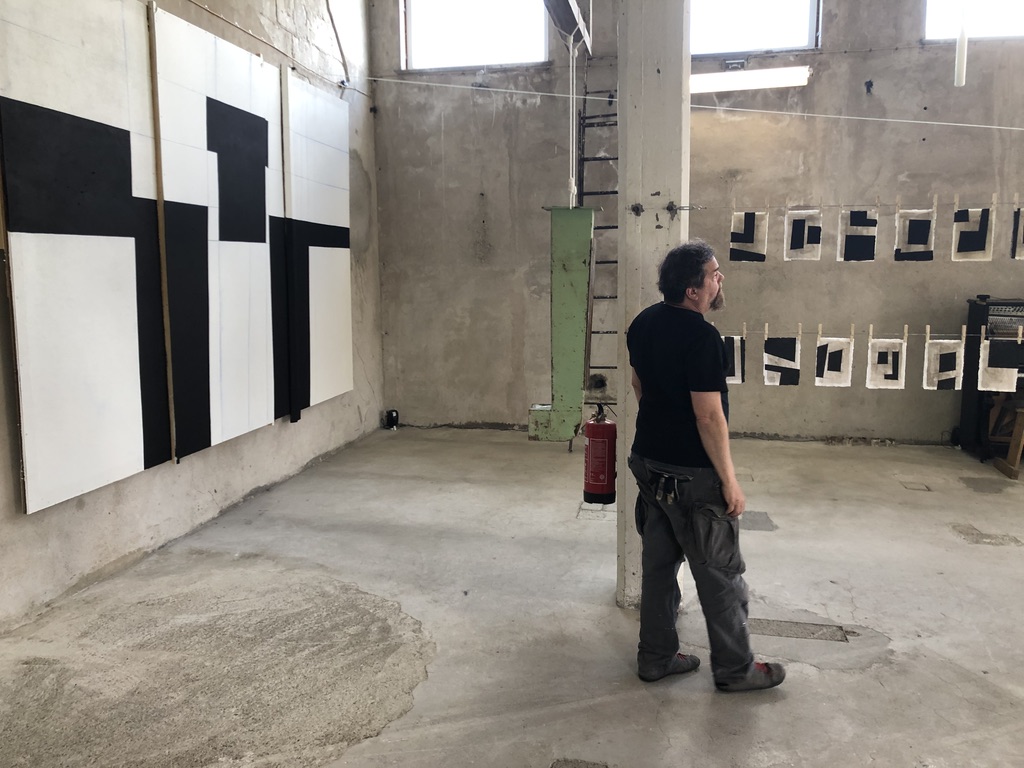
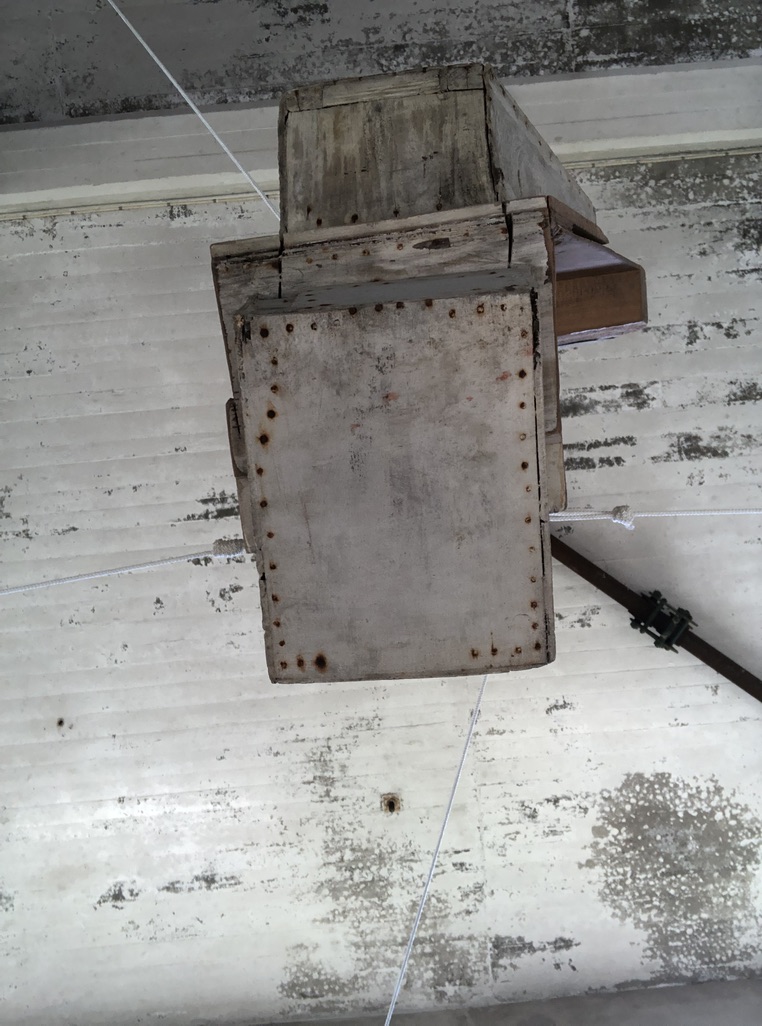
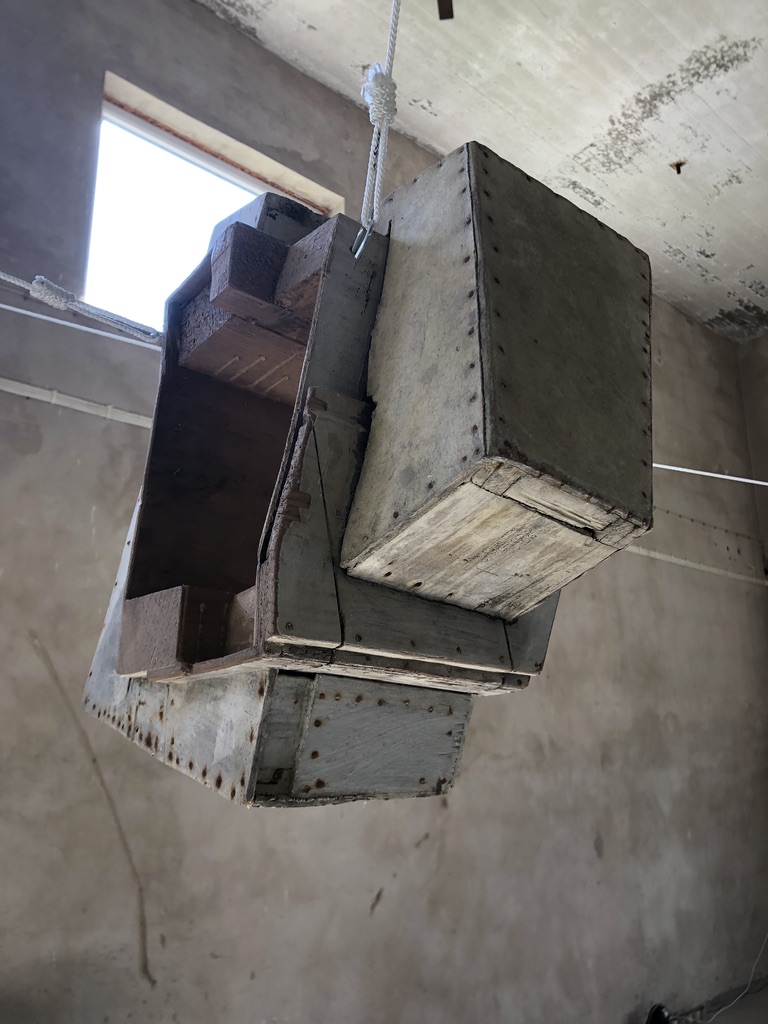
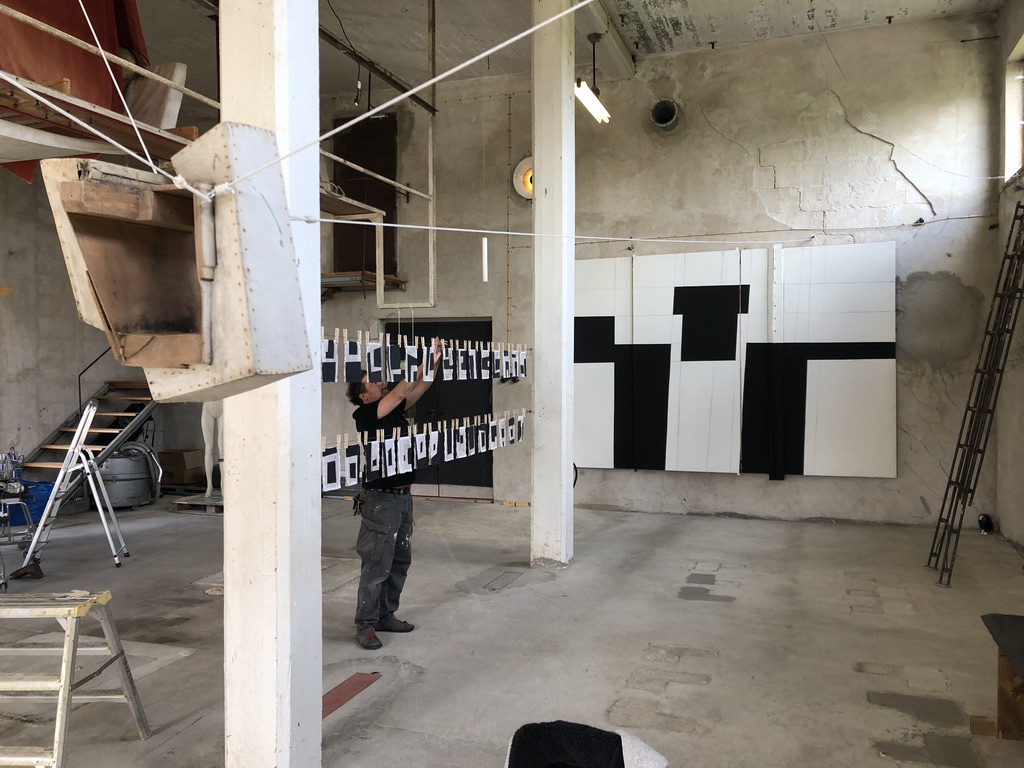
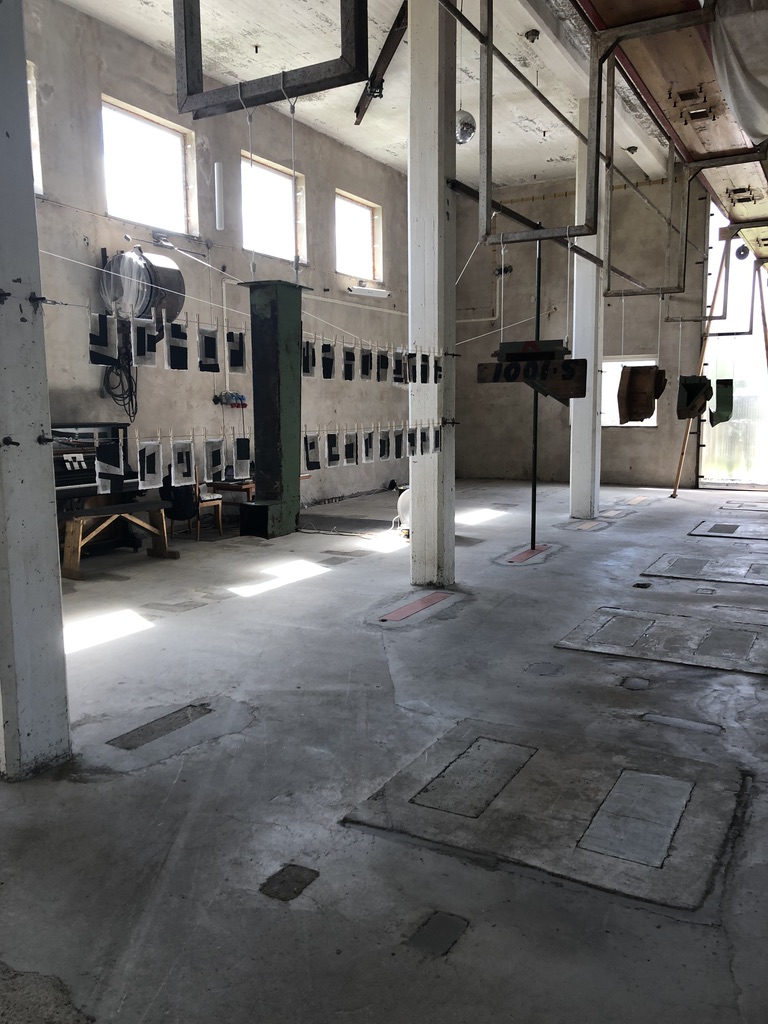
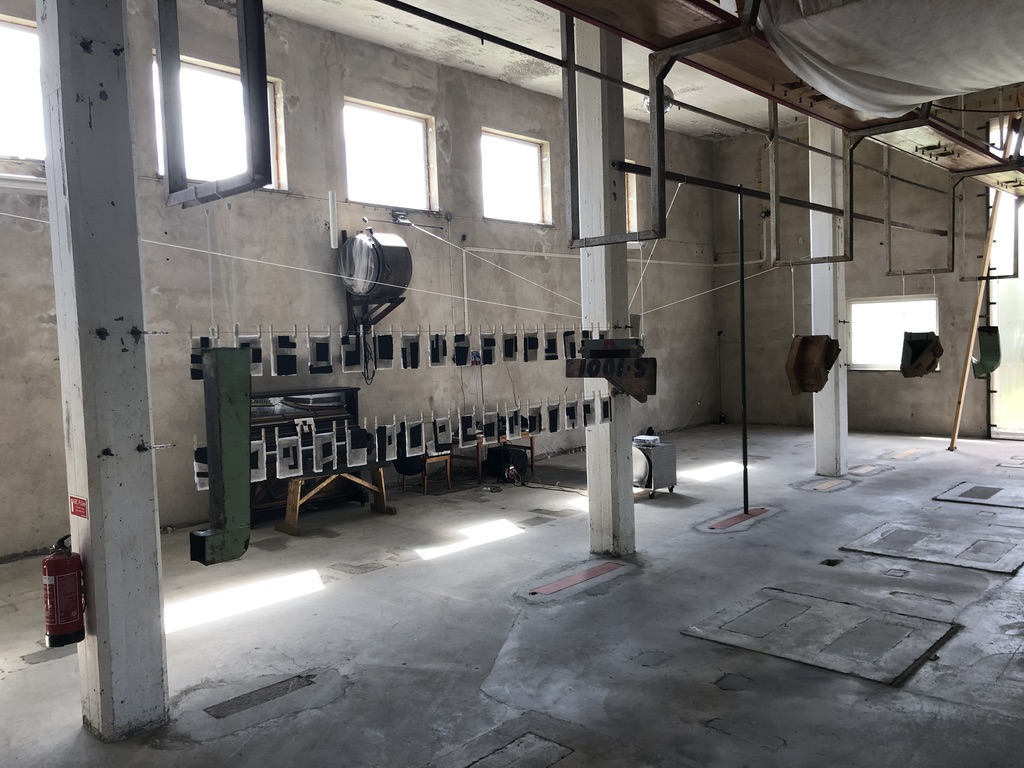
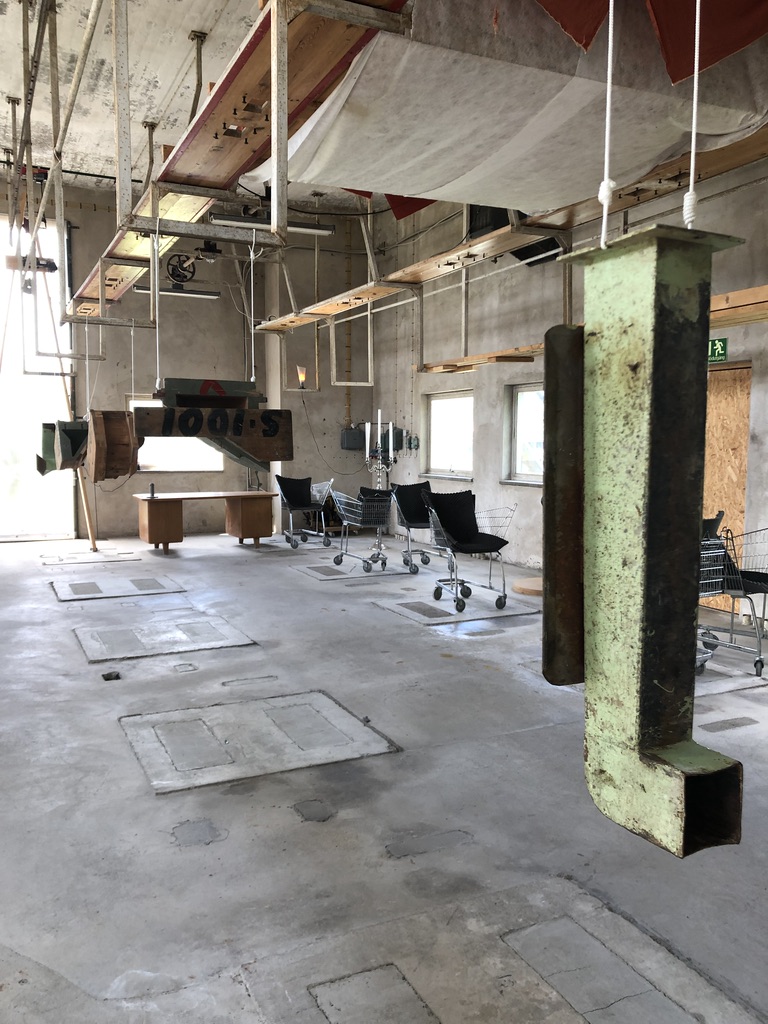
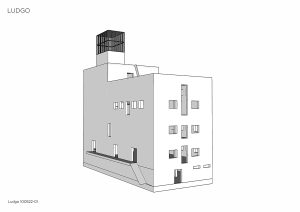
In the landscape of Nyköping, House of LUDGO stands as an architectural body traversed by its industrial memory. Originally conceived as a flour mill, the building was structured according to a precise functional logic: the need to connect its levels vertically through openings in the concrete slabs, allowing the passage of grain, machinery, and the containers that carried it.
These perforations, operational voids in their origin, now constitute the spatial grammar of the site. They are fissures that not only articulate height, but reveal a tectonics of flows: invisible lines that once organized movement, weight, light, and time within the factory.
The house still retains the raw character of its materiality — exposed concrete, shuttering marks, structural scars, preserving its industrial aura. Yet its production has shifted. It no longer transforms grain into flour; instead, it generates encounters, objects, events, and hospitality. It has become a space of dialogue between art and everyday life.
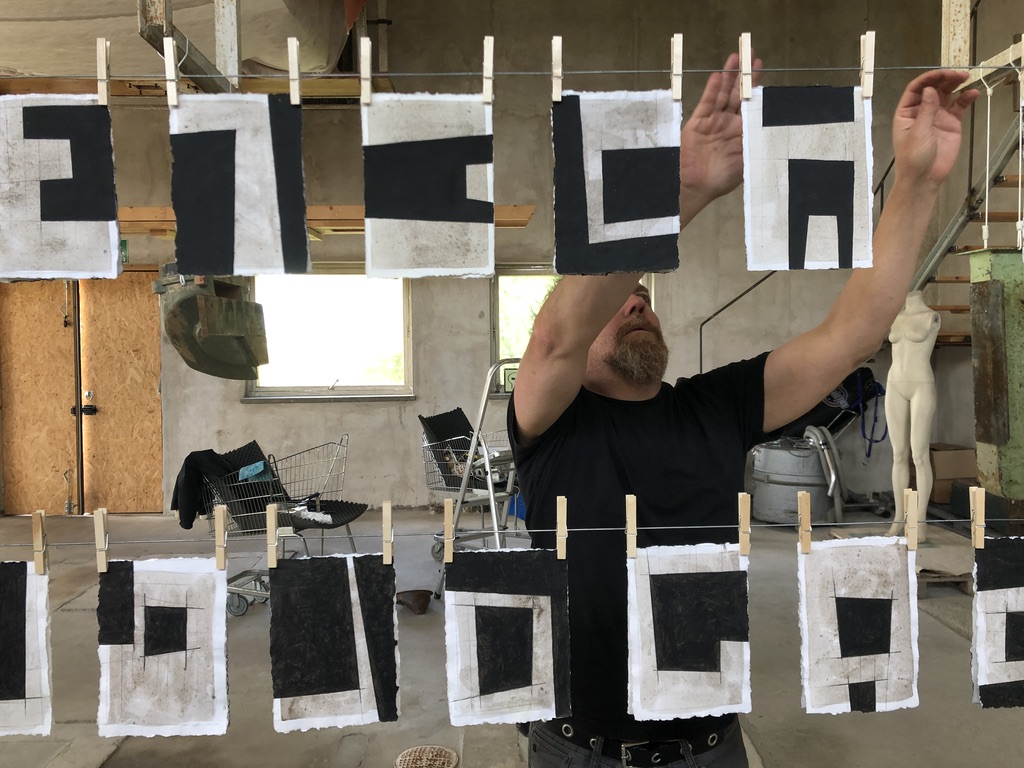
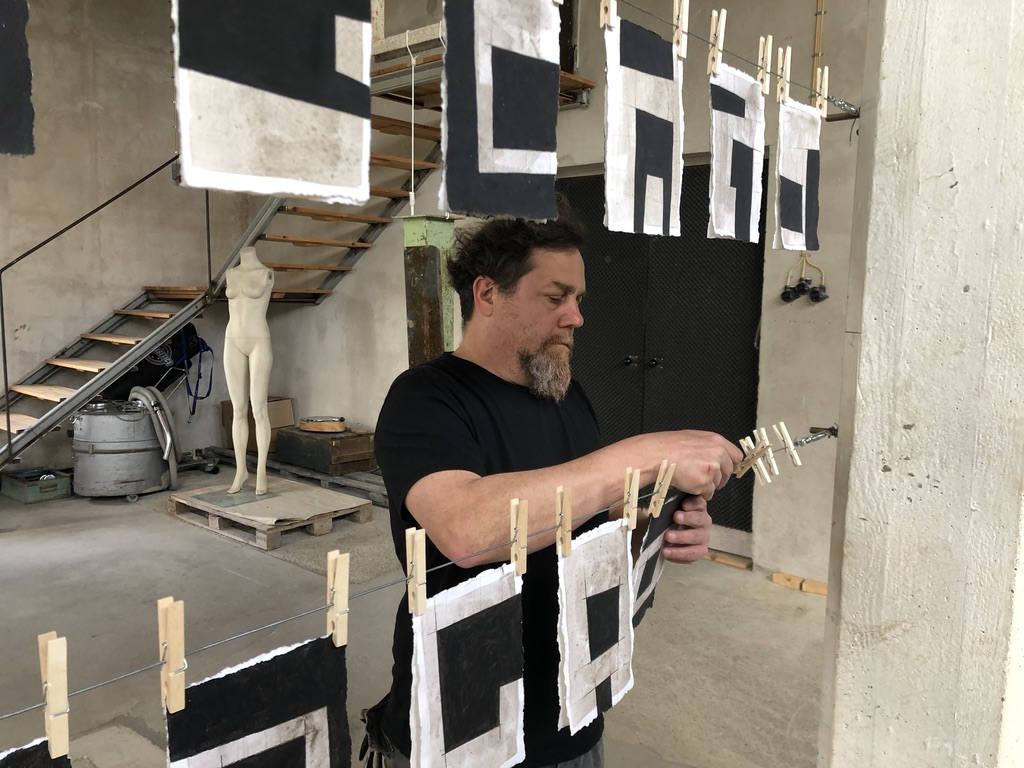
Trace of Lines — Gustavo Mendez-Liska, Juan Muñoz
Gustavos & Juan proposal does not impose itself upon the building; it emerges from a careful reading of its existing lines. It is a revelation rather than an intervention.
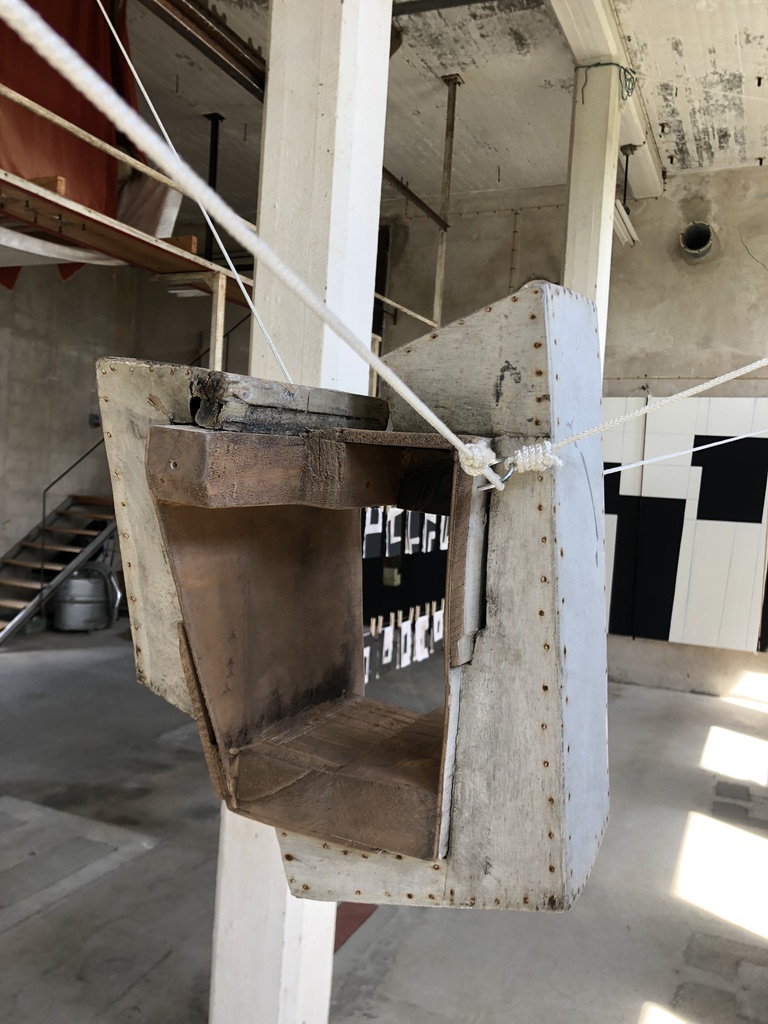
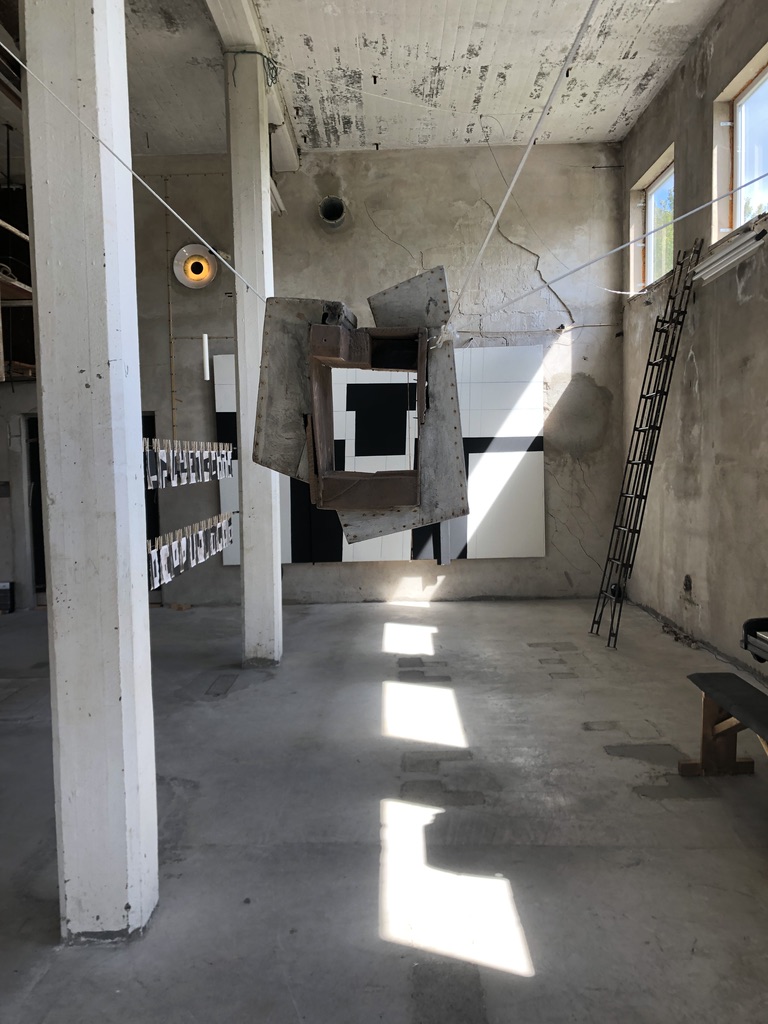
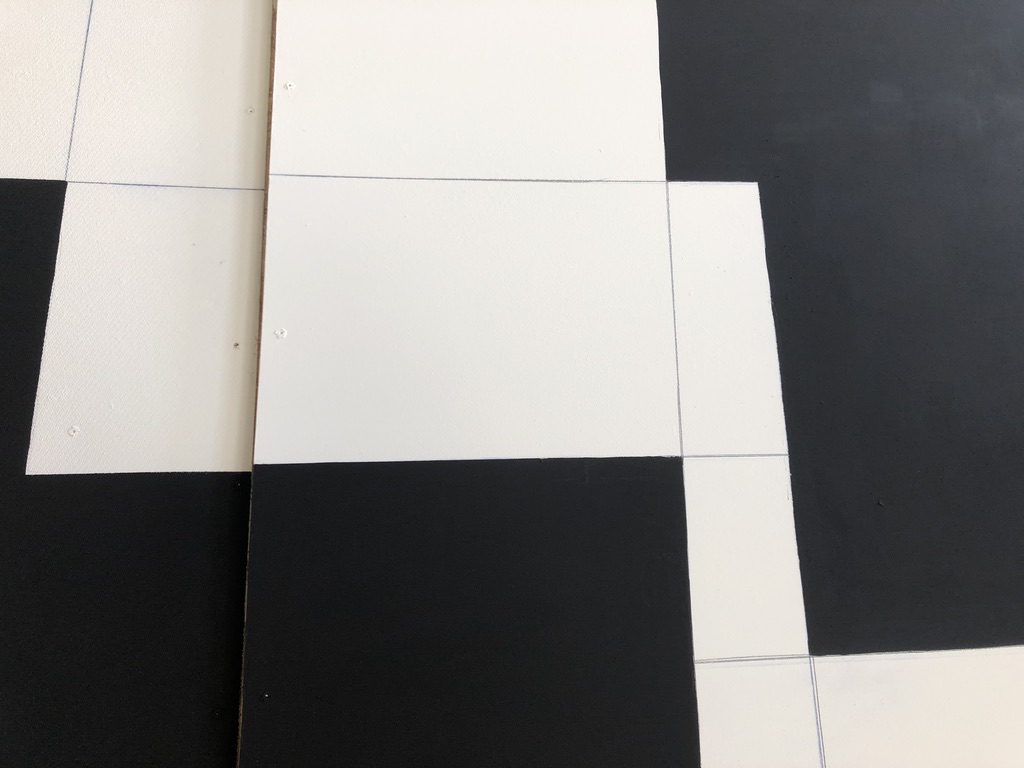
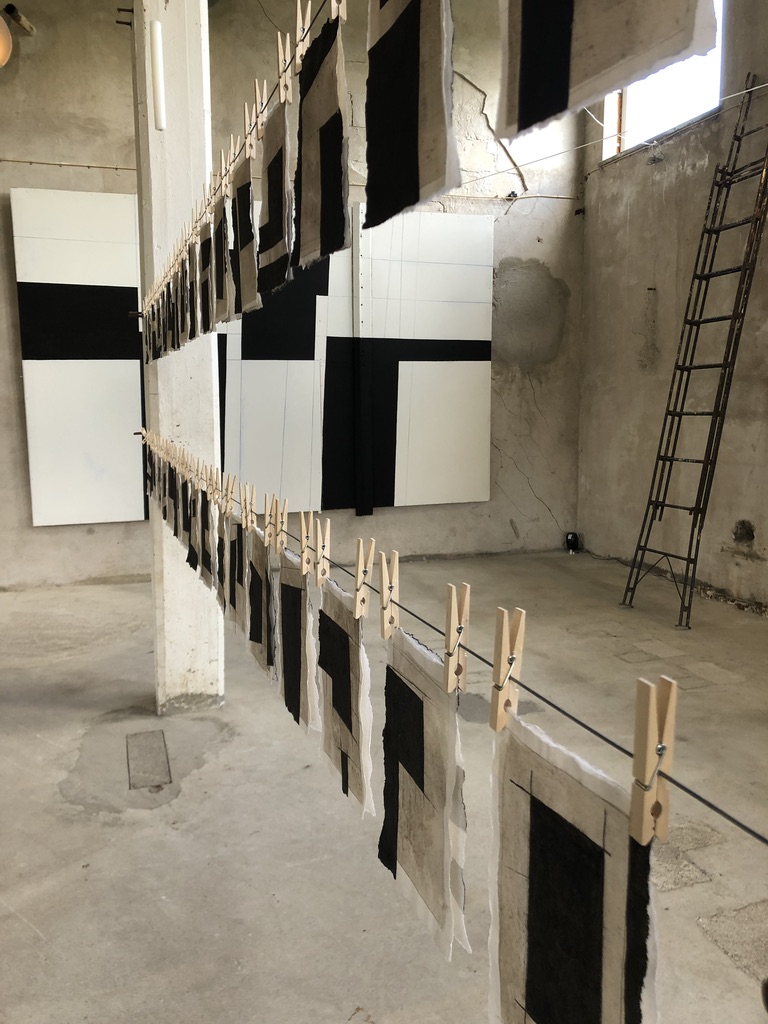
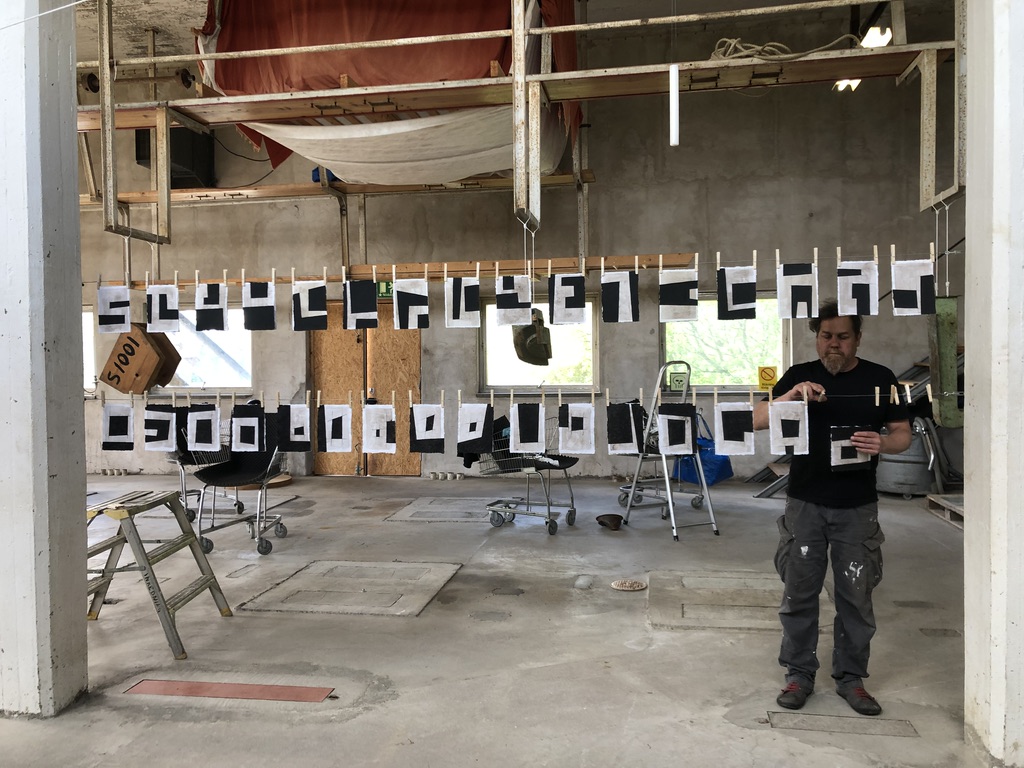
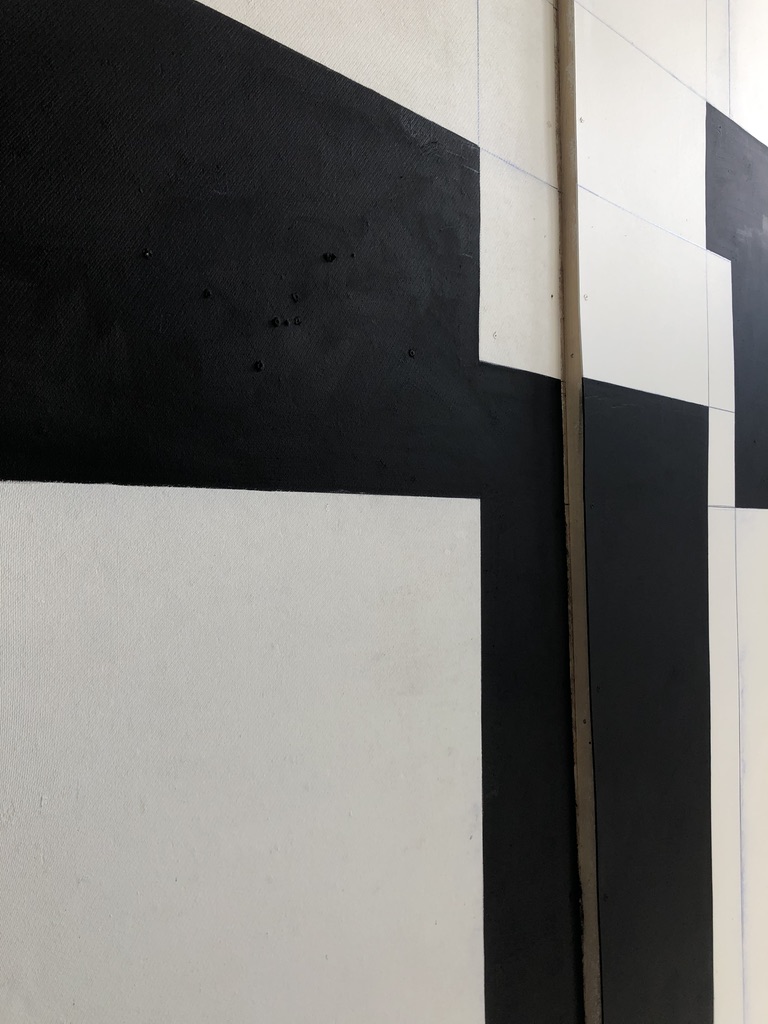
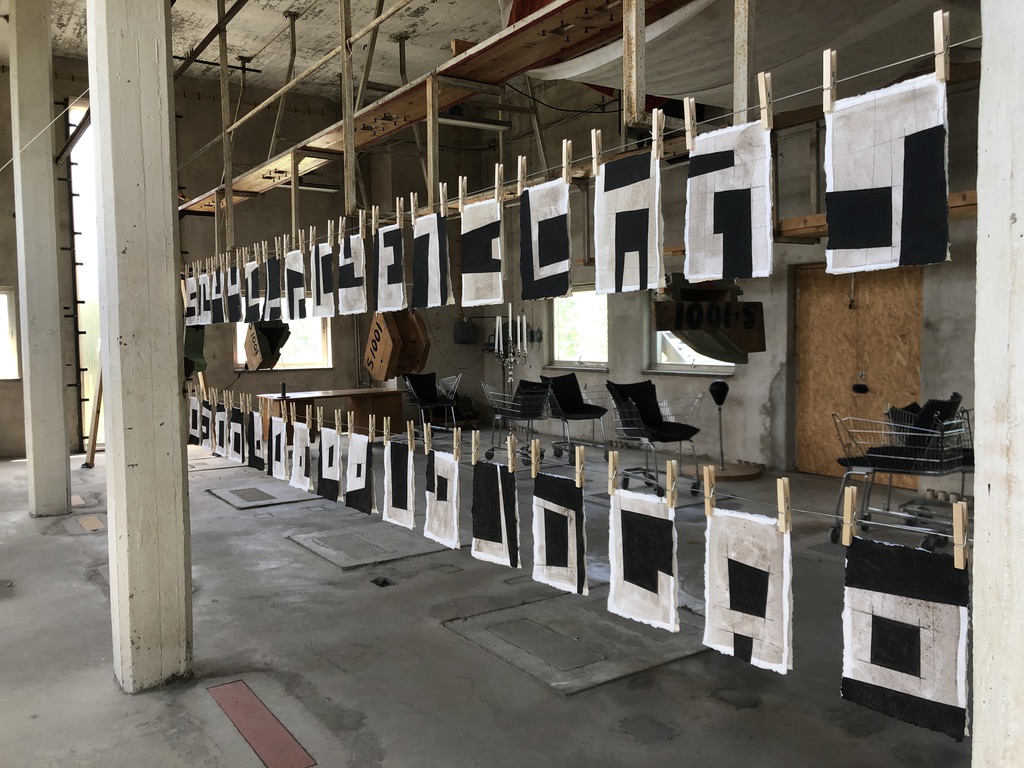
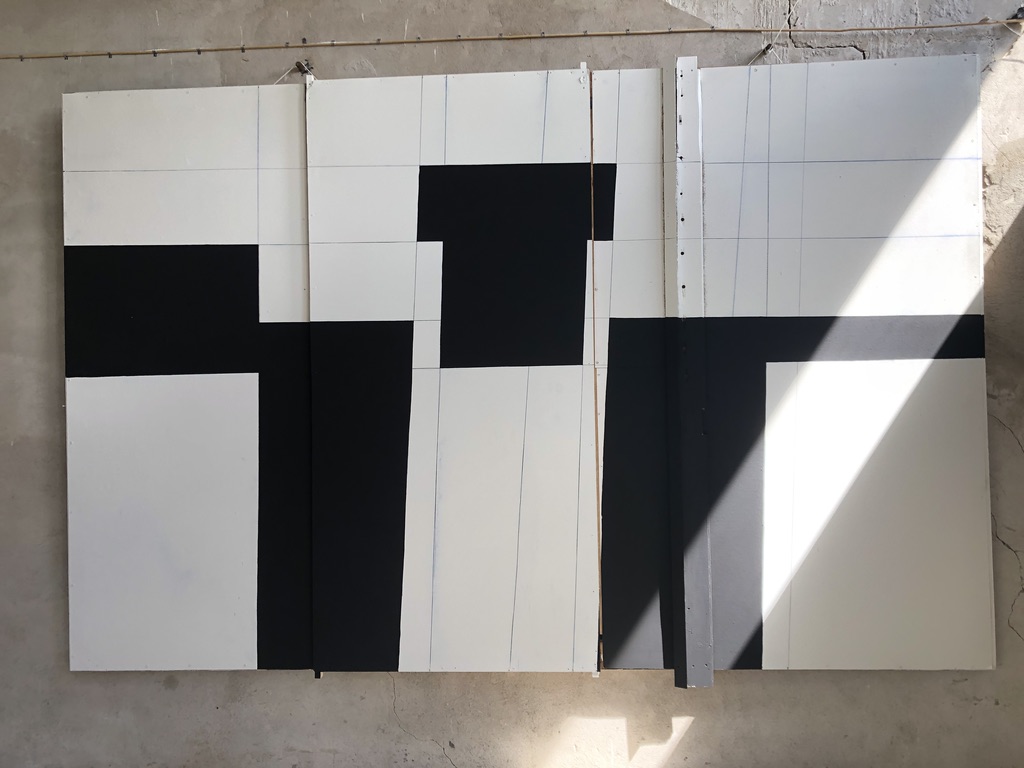
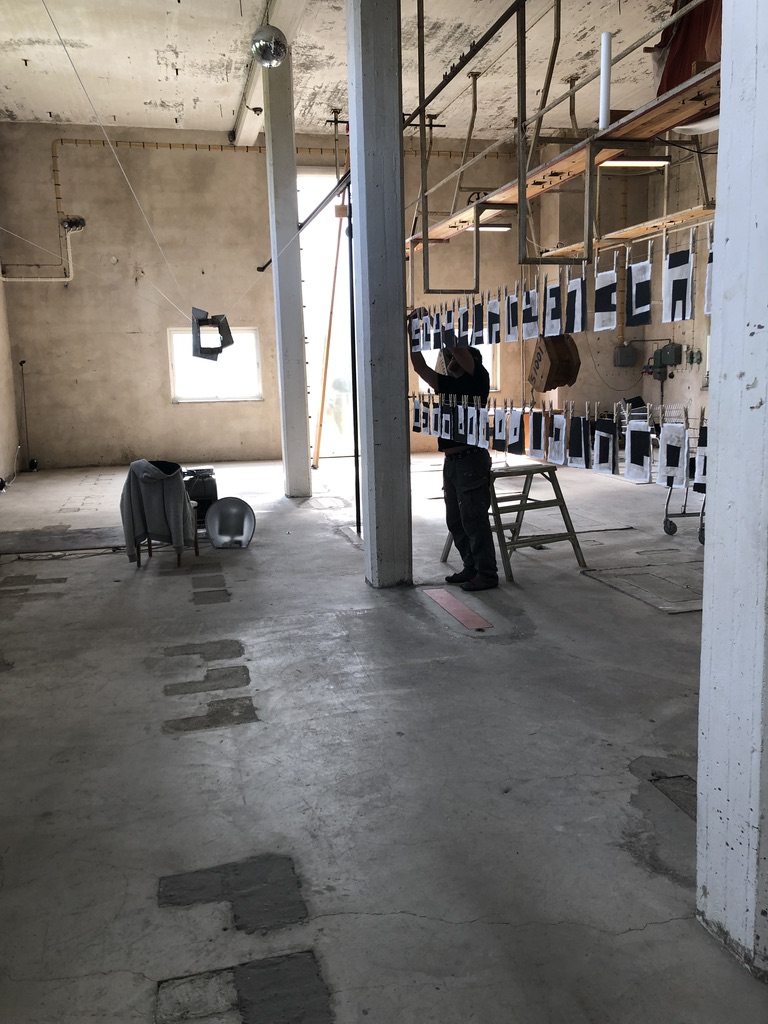
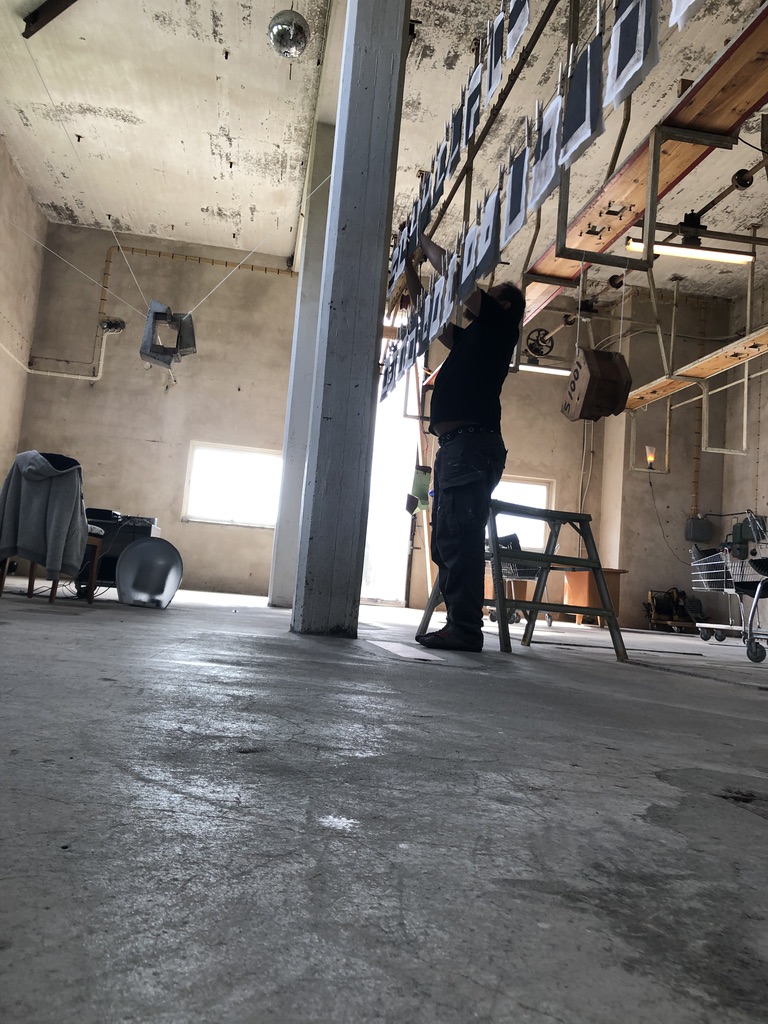
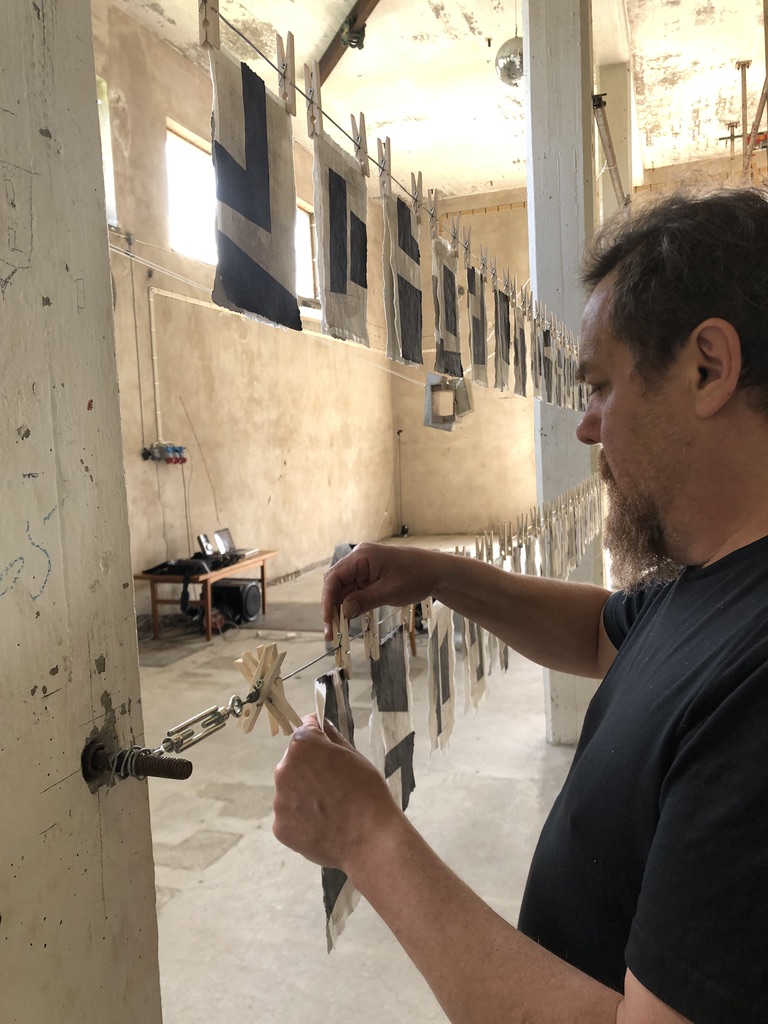
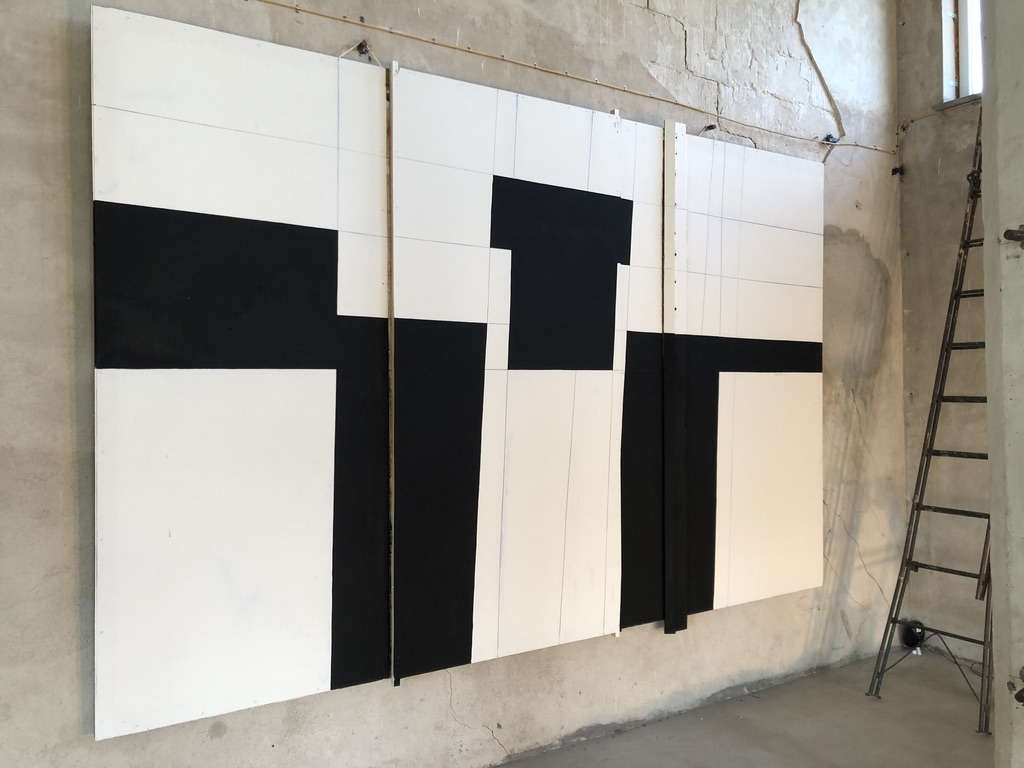
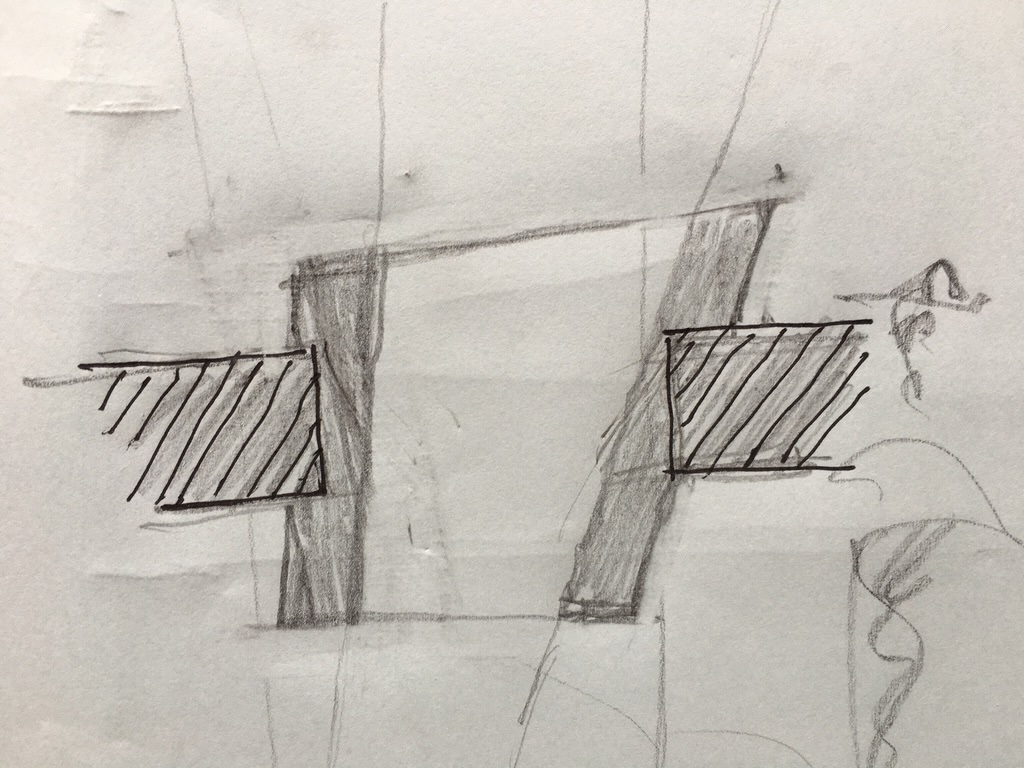
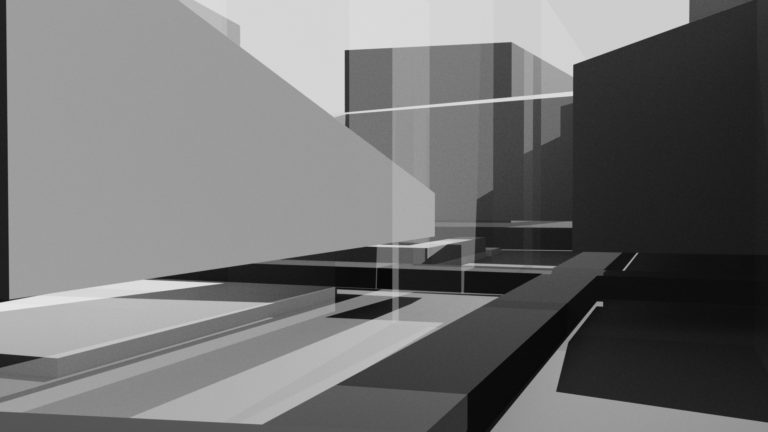
Trace of Lines is a temporary, collective installation that understands the house as a system of interconnected planes and voids across the x, y and z dimensions. The fissures between slabs, structural spans, functional connections and vertical openings are approached as active lines: they separate and simultaneously connect.
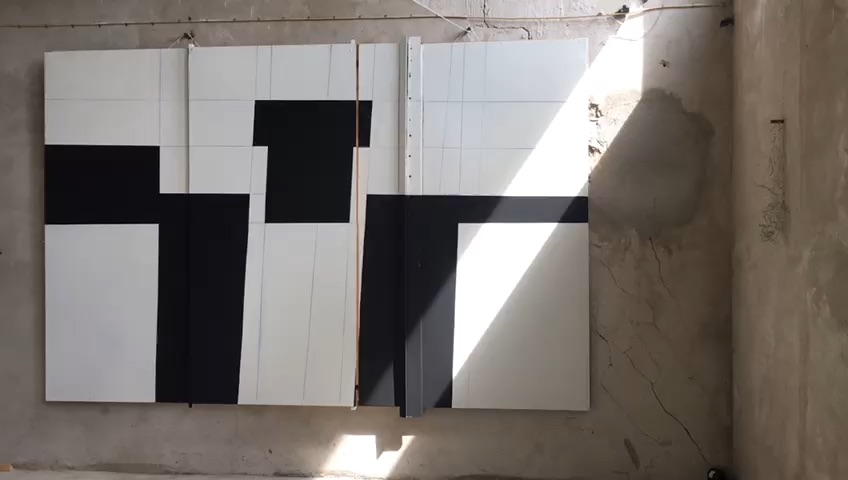
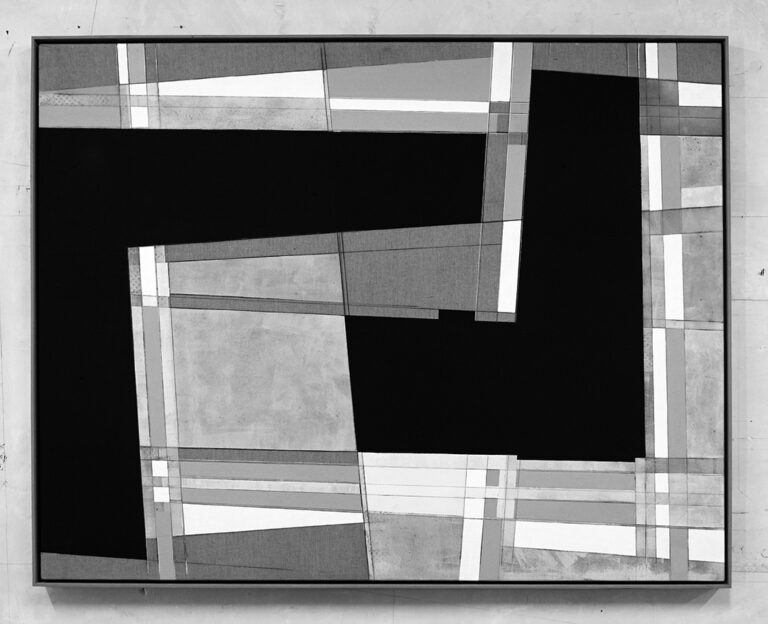
The project operates within this duality, positive/negative, solid/void, past/present, constructing spatial compositions that underline what is already embedded within the architecture.
Materiality and Memory
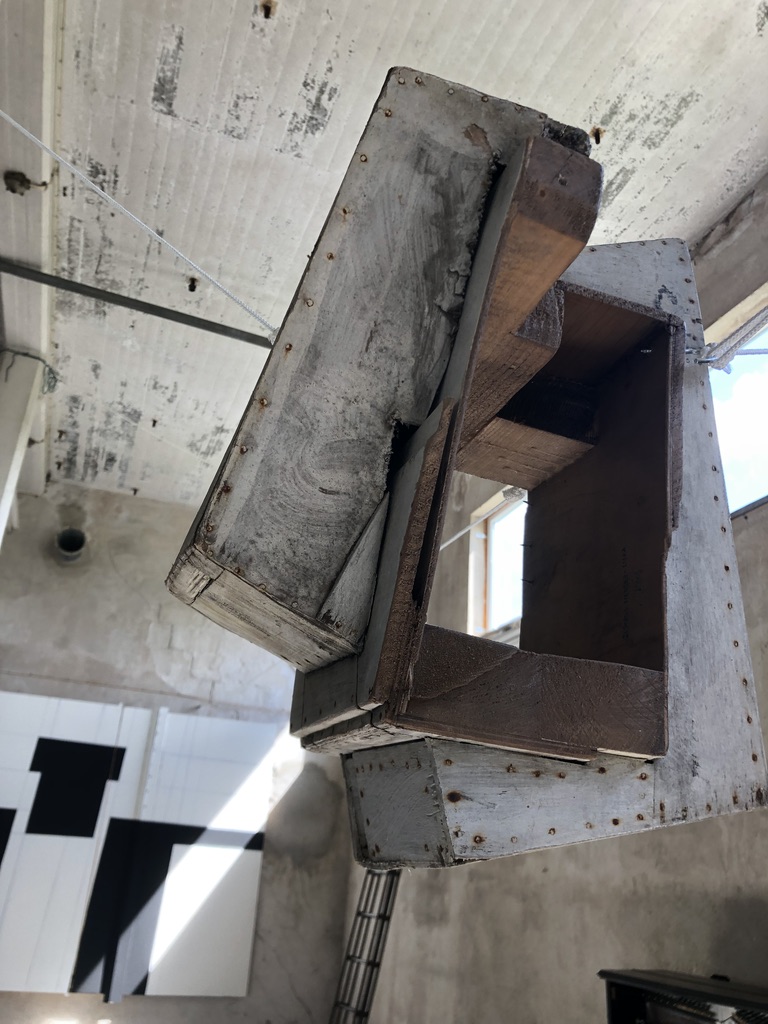
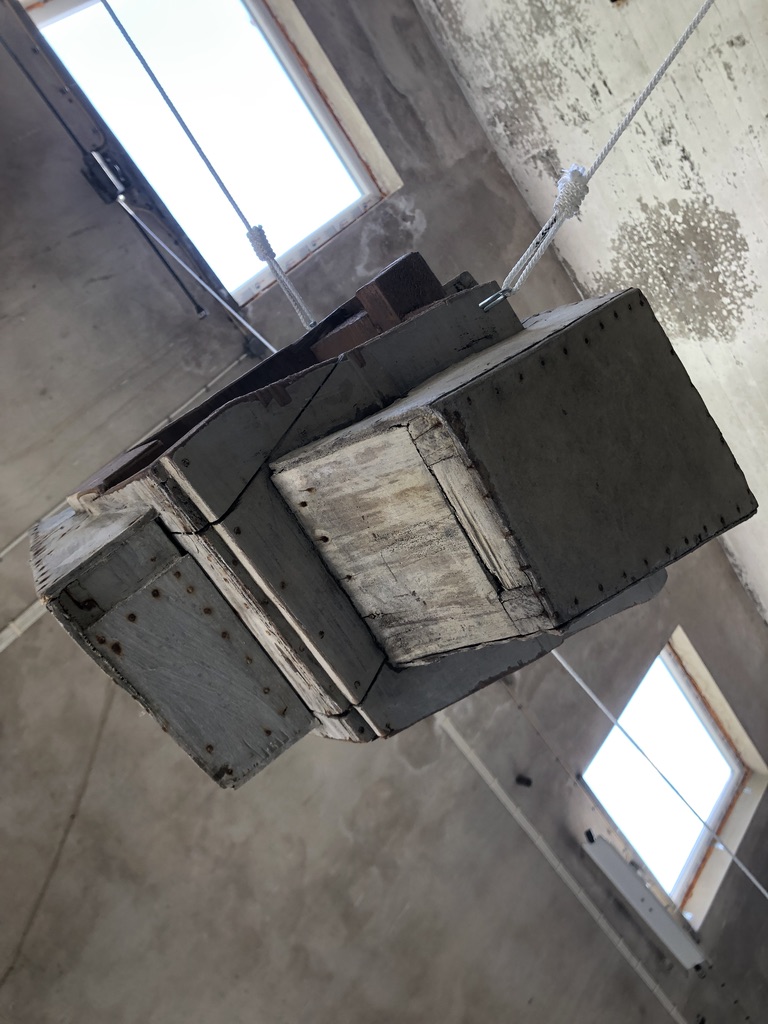
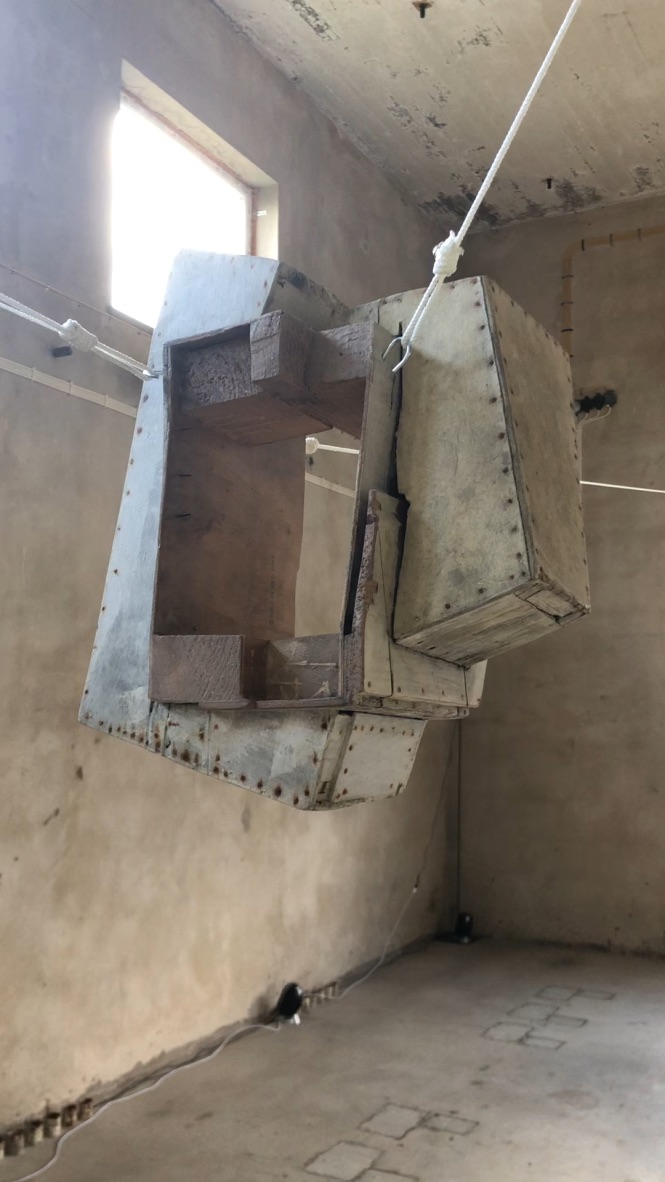
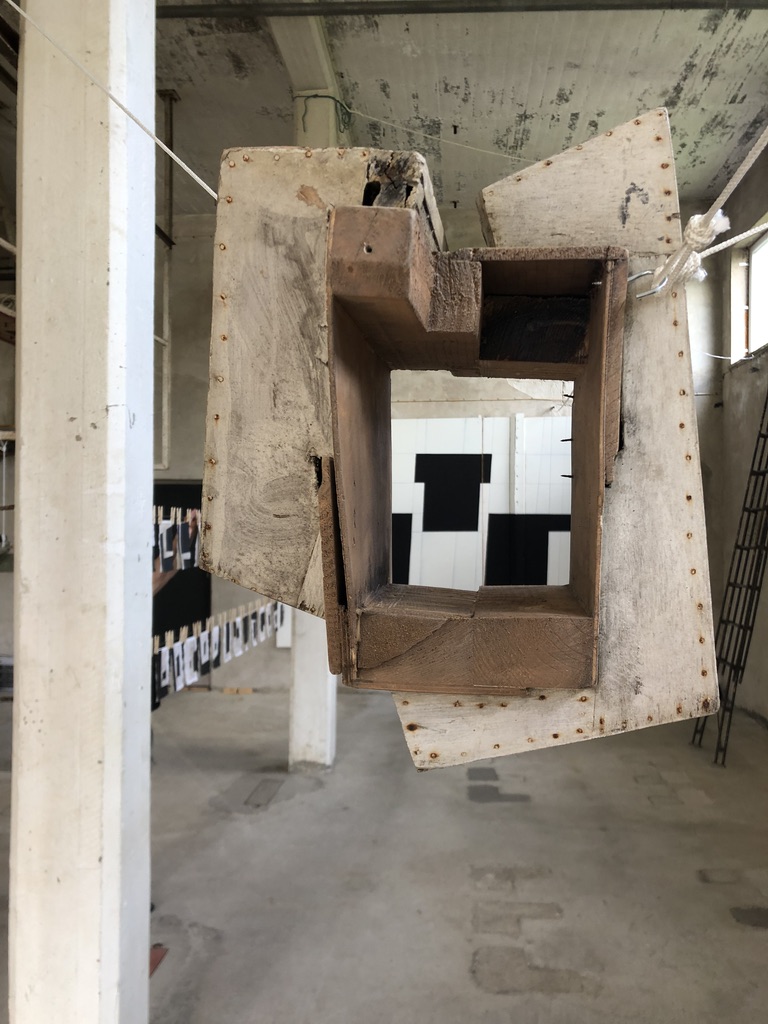
The timber formwork that once shaped the openings and left its imprint on the concrete returns symbolically to the site. What was once mould and negative space reappears as present object. In this way, a material archaeology is activated: the building is read as archive, and each intervention becomes an additional temporal layer.
A Space Traversed
The house may be experienced as a field of lines:
- lines emerging from voids,
- lines connecting levels,
- lines escaping towards the light above or gravity below.
Around these axes revolve proposals of integration and response: threads under tension, lightweight structures, timber, light, sound, music, image, filmic documentation. Each element orbits the architectural object, expanding its sensory resonance.
The installation may unfold at varying scales, from a precise, situated gesture to an extended intervention crossing several levels, yet always maintaining the principle of underscoring what already exists.
Action / Re-action
The project recognises that every space is transformed by those who inhabit it. Each invited participant responds to House of LUDGO through their own language, in dialogue with the traces revealed.
The line, as both connector and divider, becomes a metaphor for interaction: between levels, between disciplines, between past and present. Light, sound, image and movement compose a temporal experience of space; a choreography of inhabitation.
The outcome may include an ephemeral event whose final artistic object is audiovisual: a moving-image work that reveals traces, positives and negatives, and the layered connections of the site.
In this near-museal context, House of LUDGO is not merely the container of an exhibition. It is the first object on display. GML’s & Juan intervention operates as an instrument of reading, rendering visible the latent lines of the building and allowing the architecture, in its rawness and memory, to produce meaning once again.