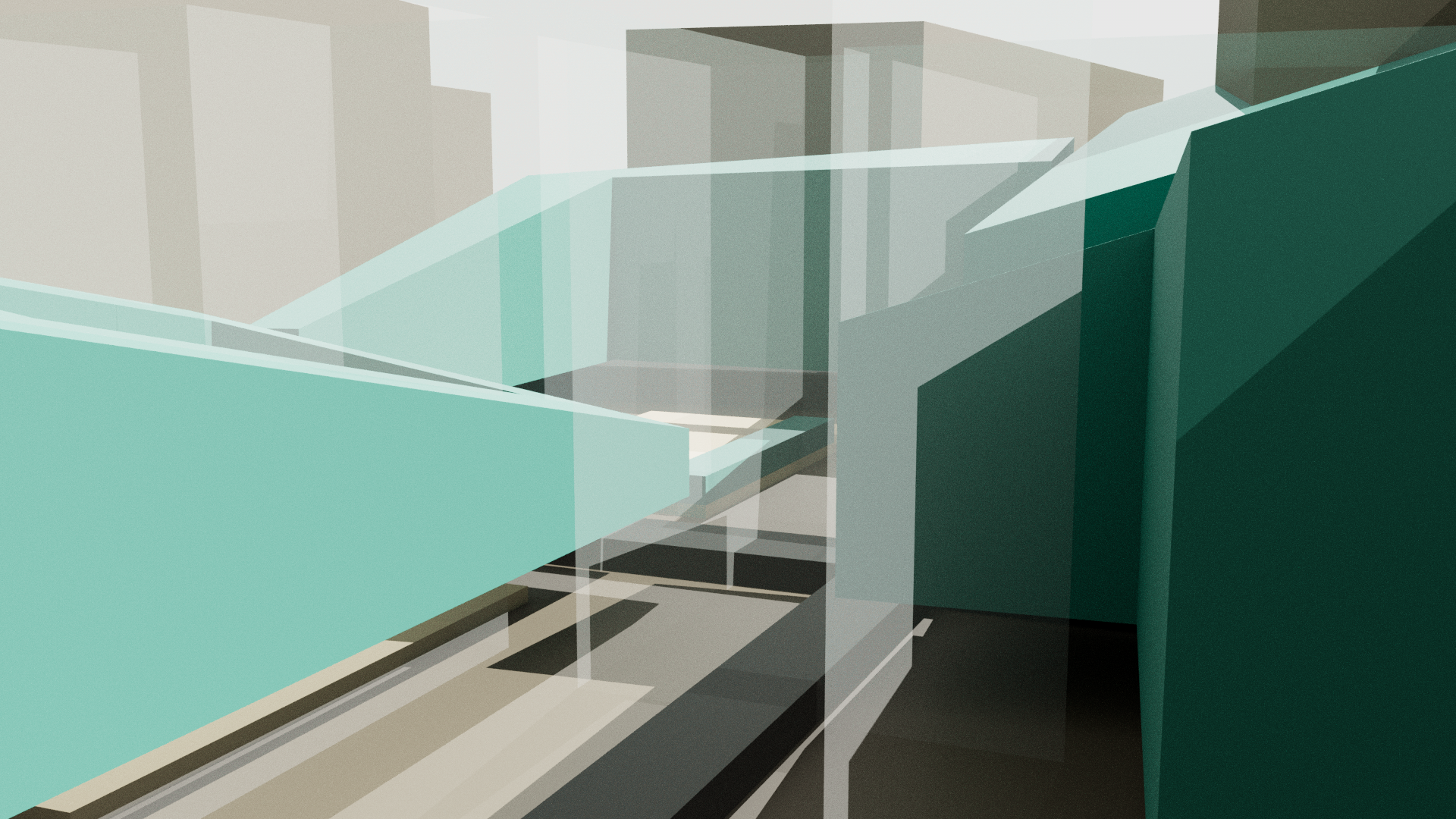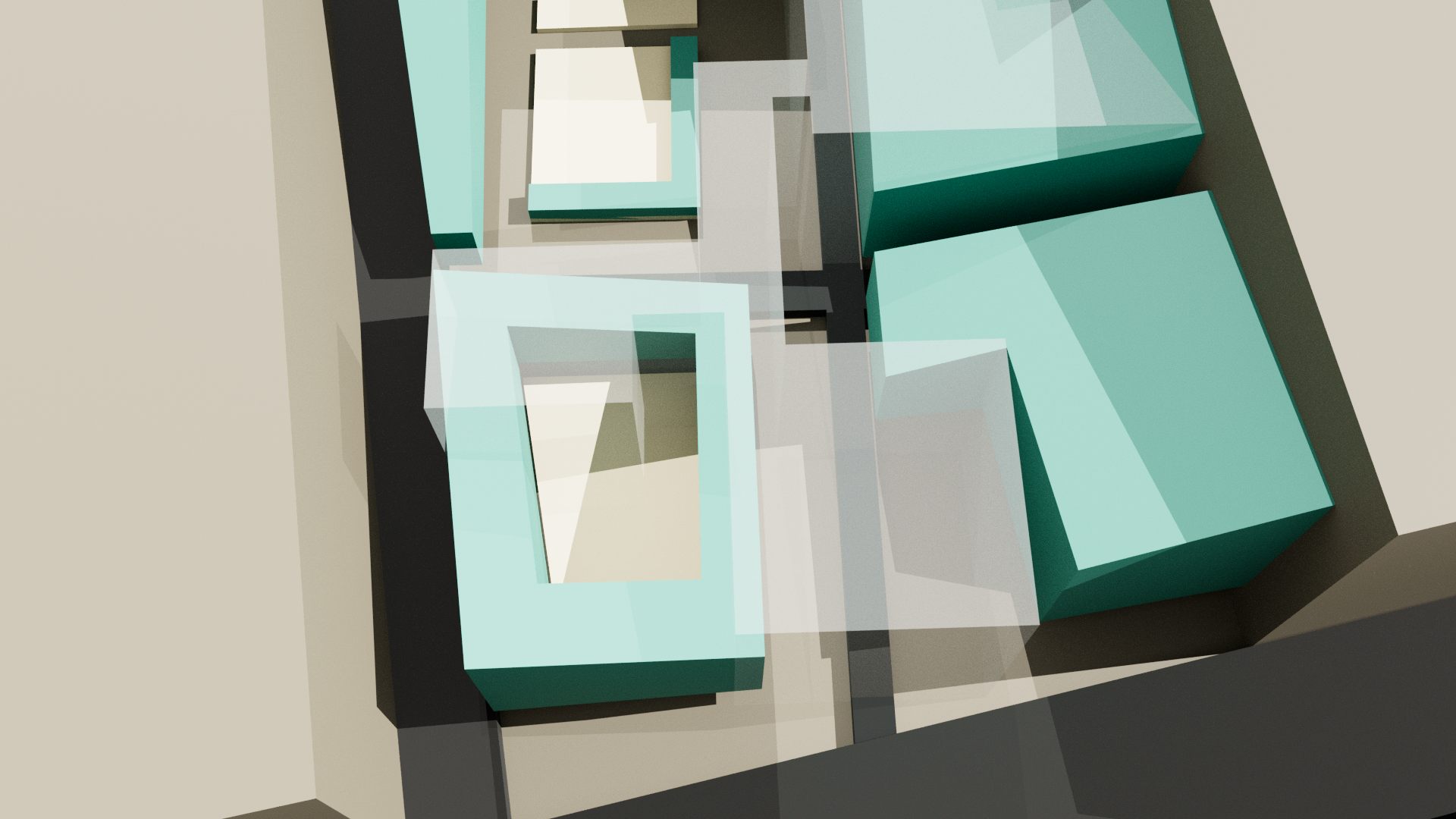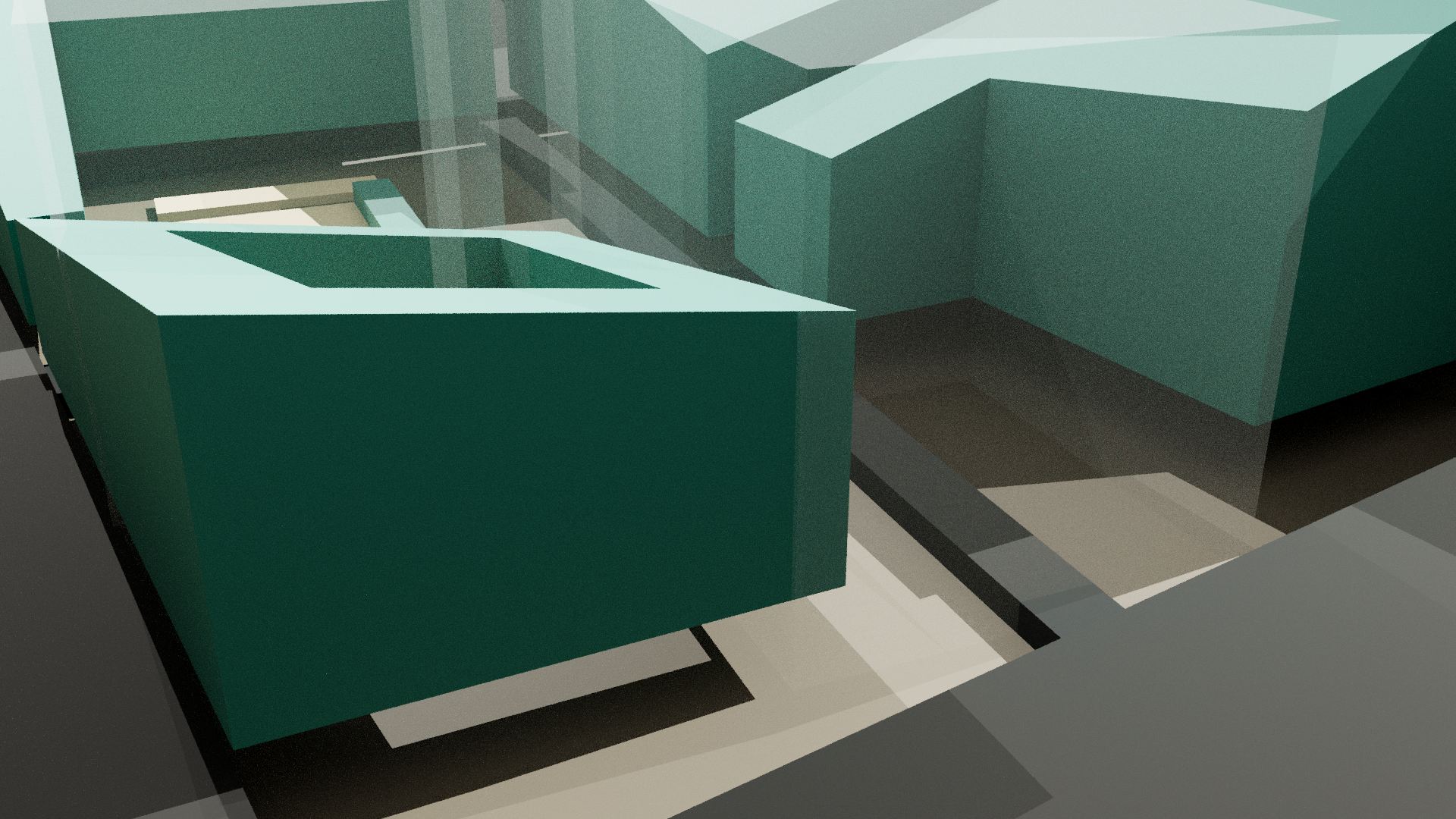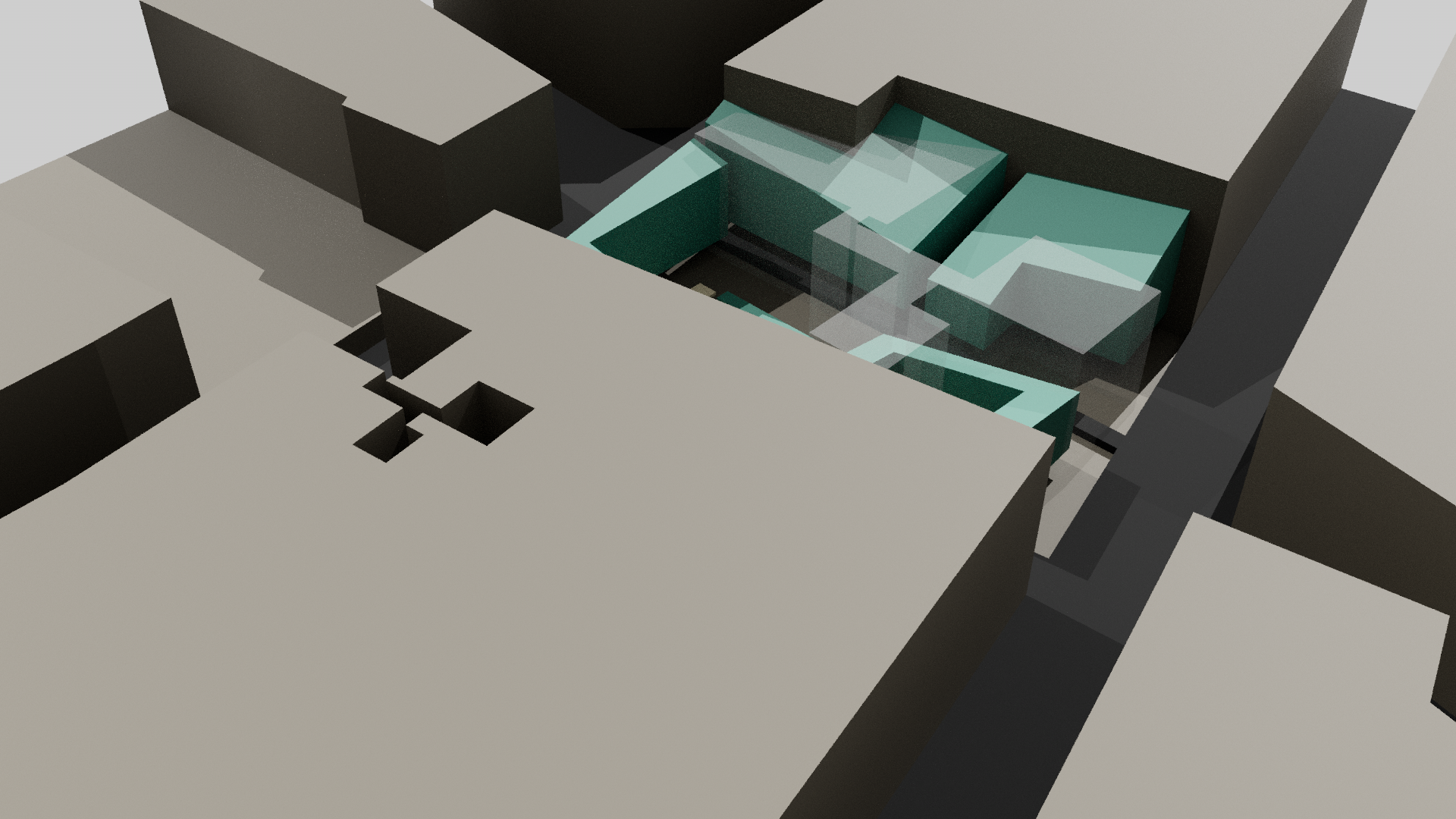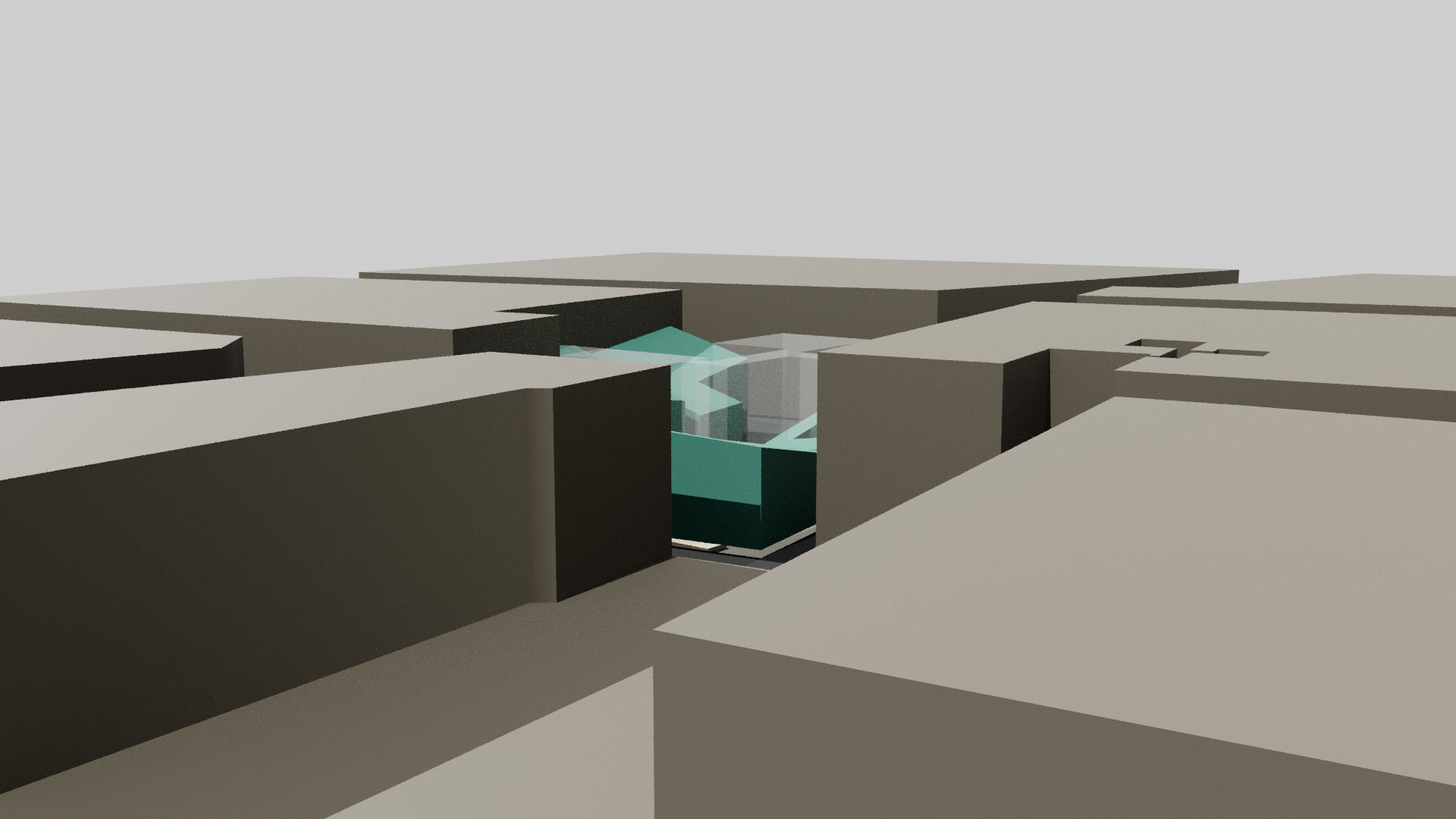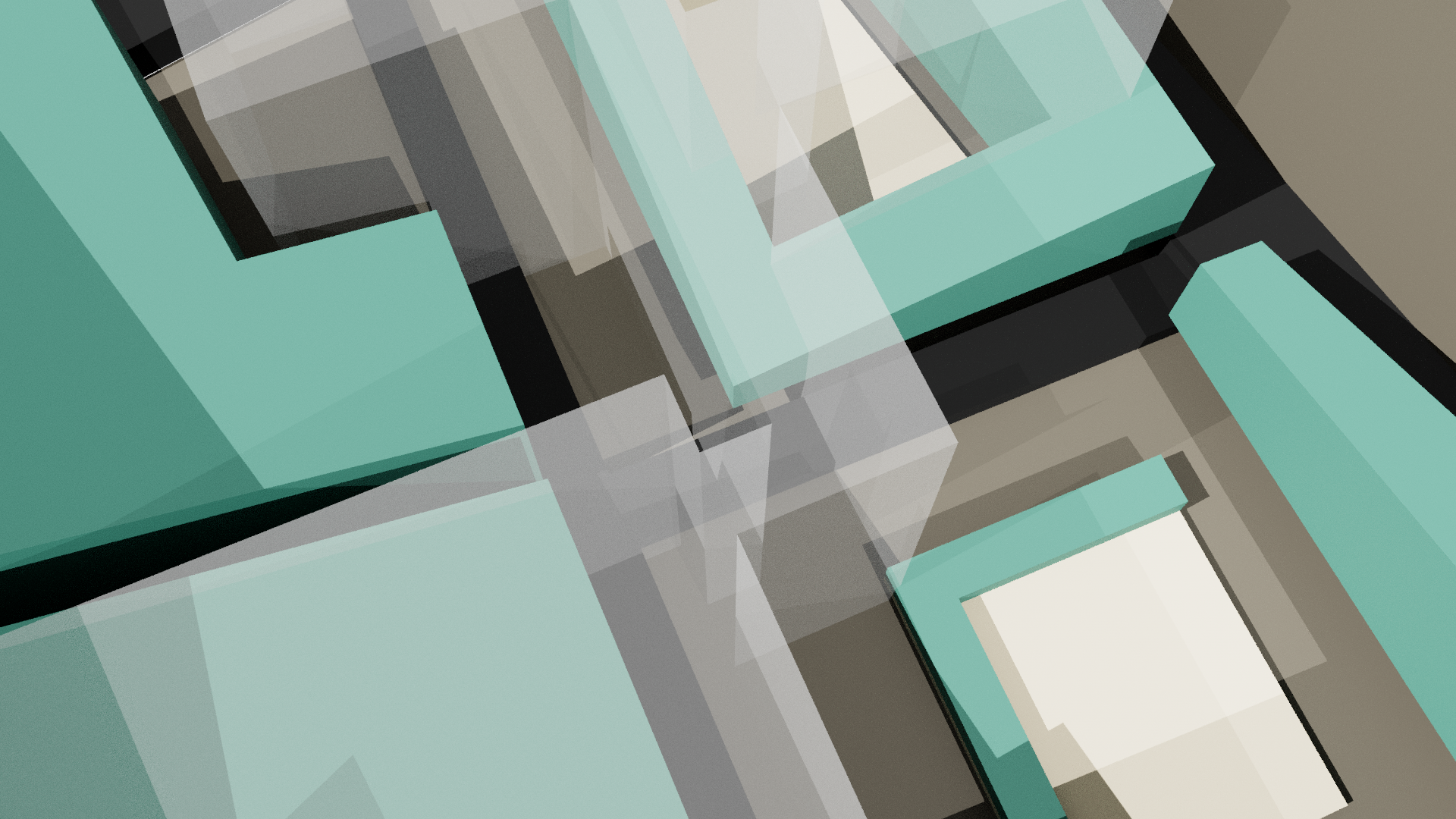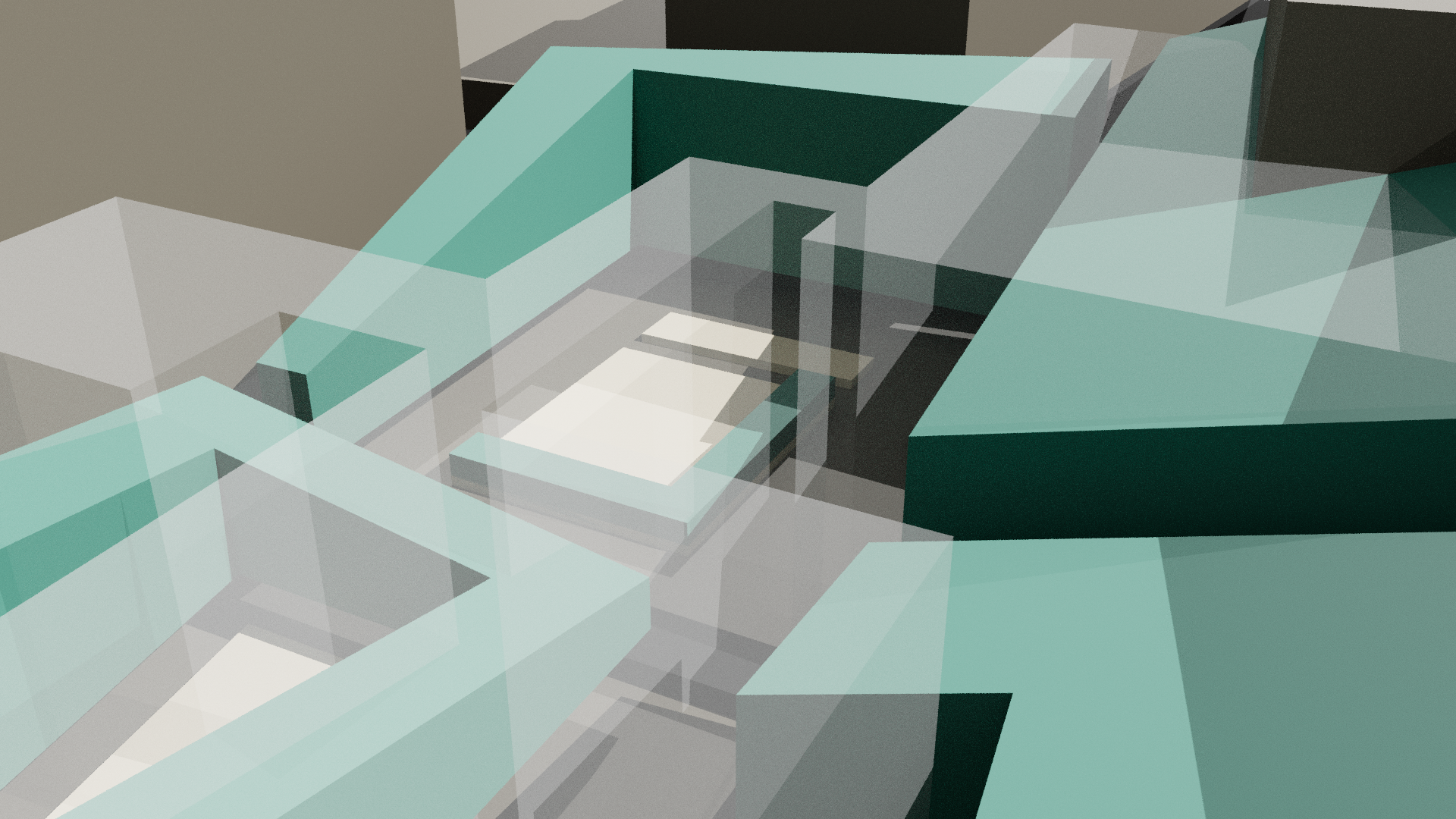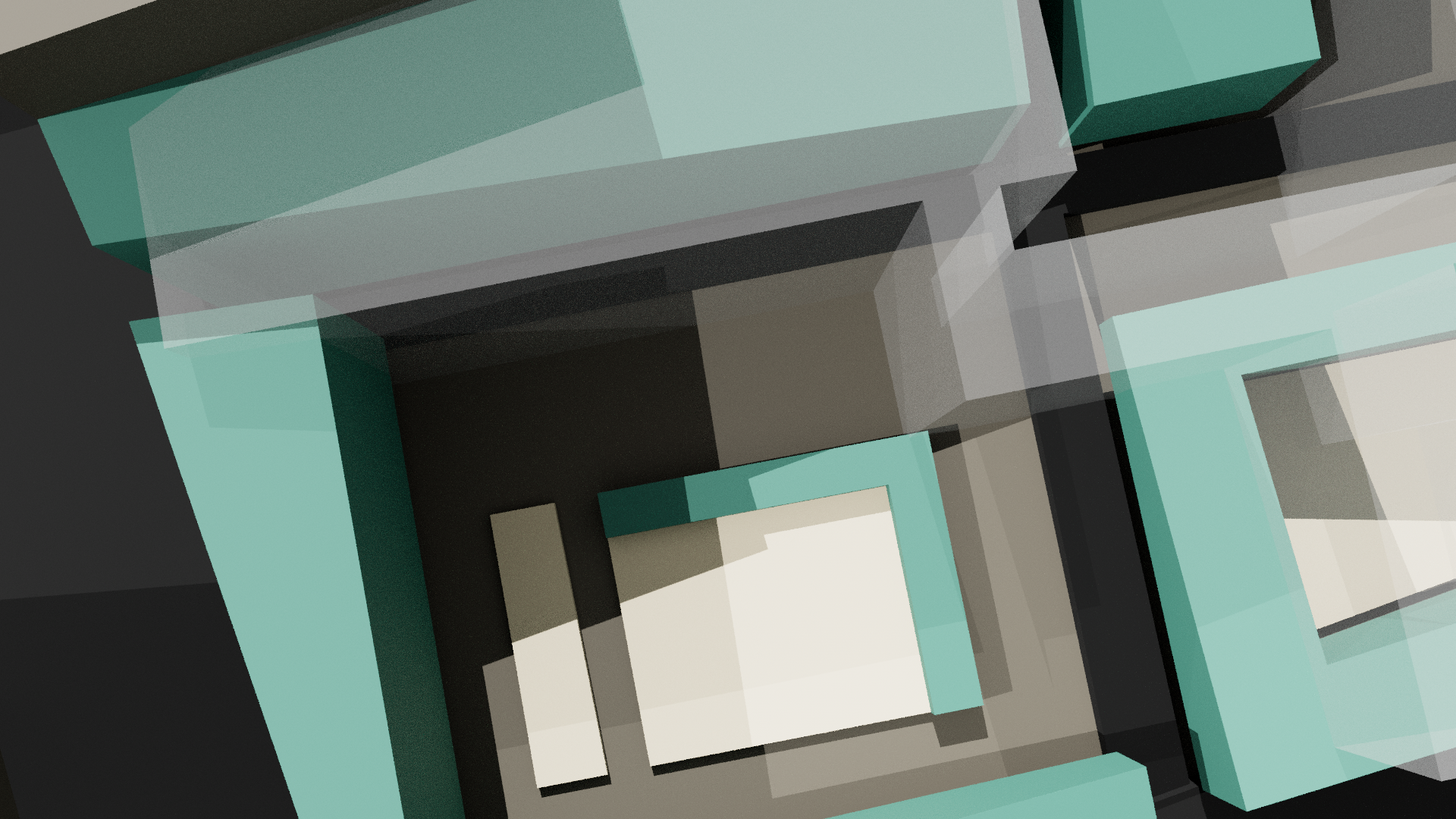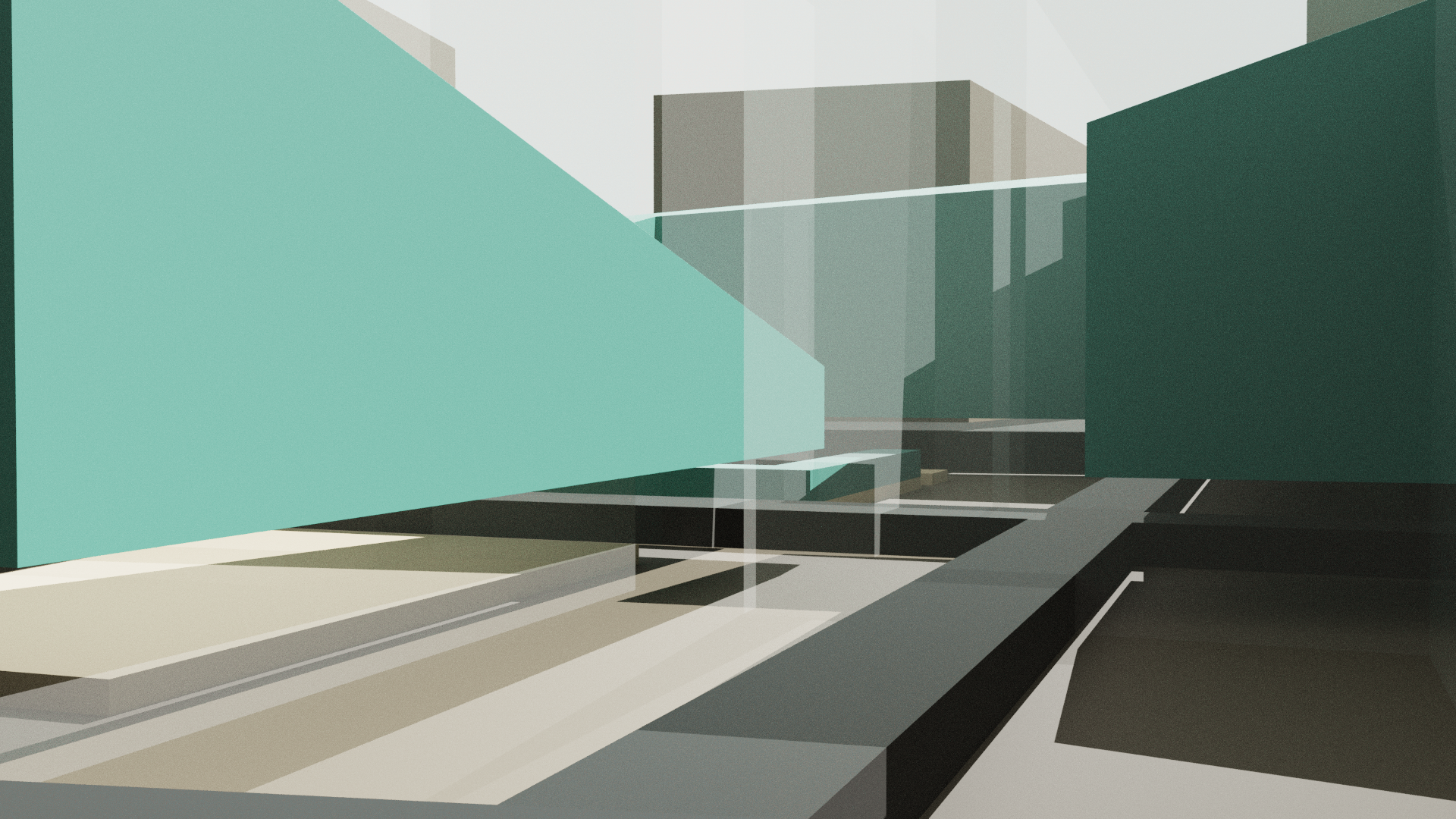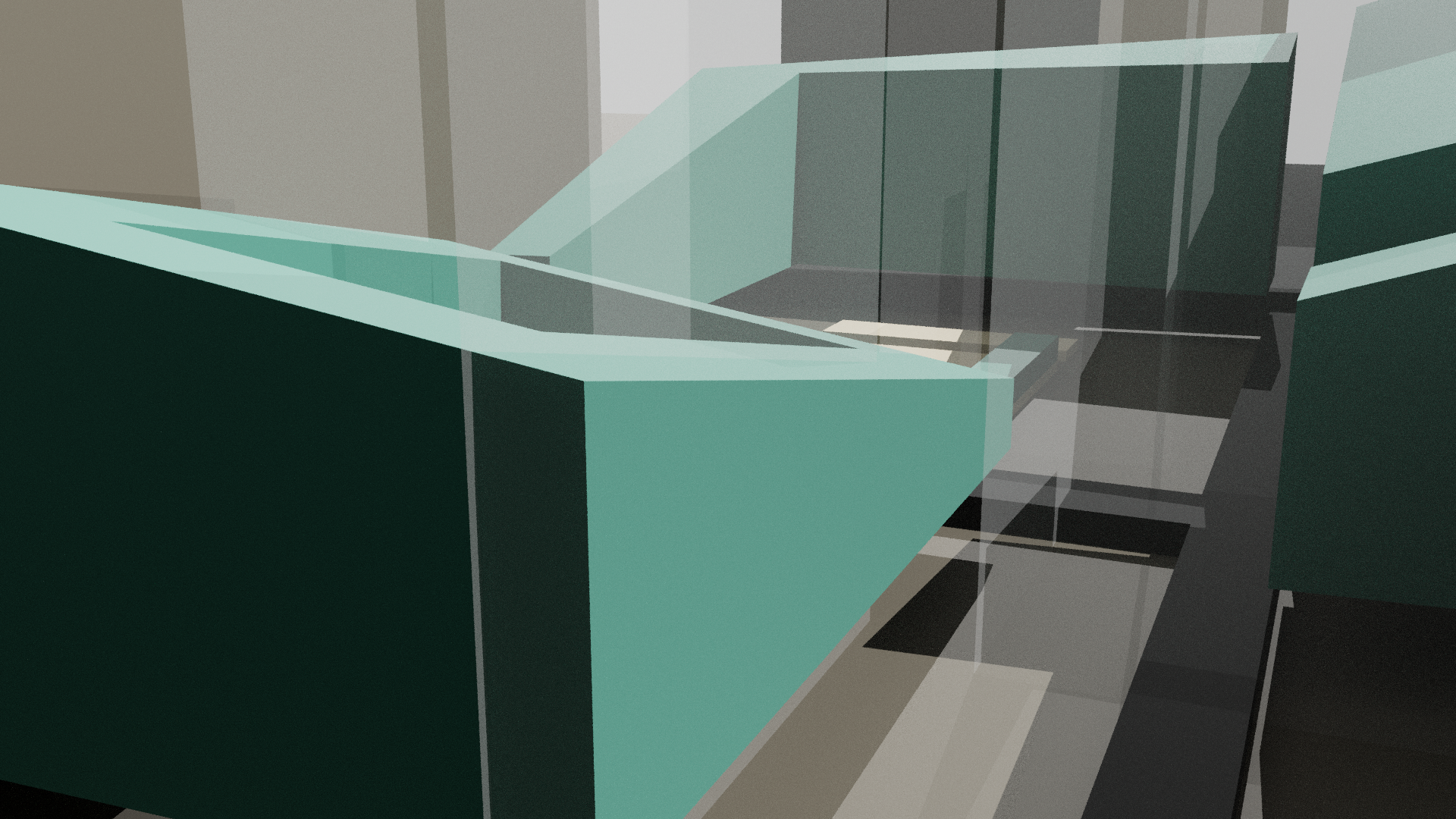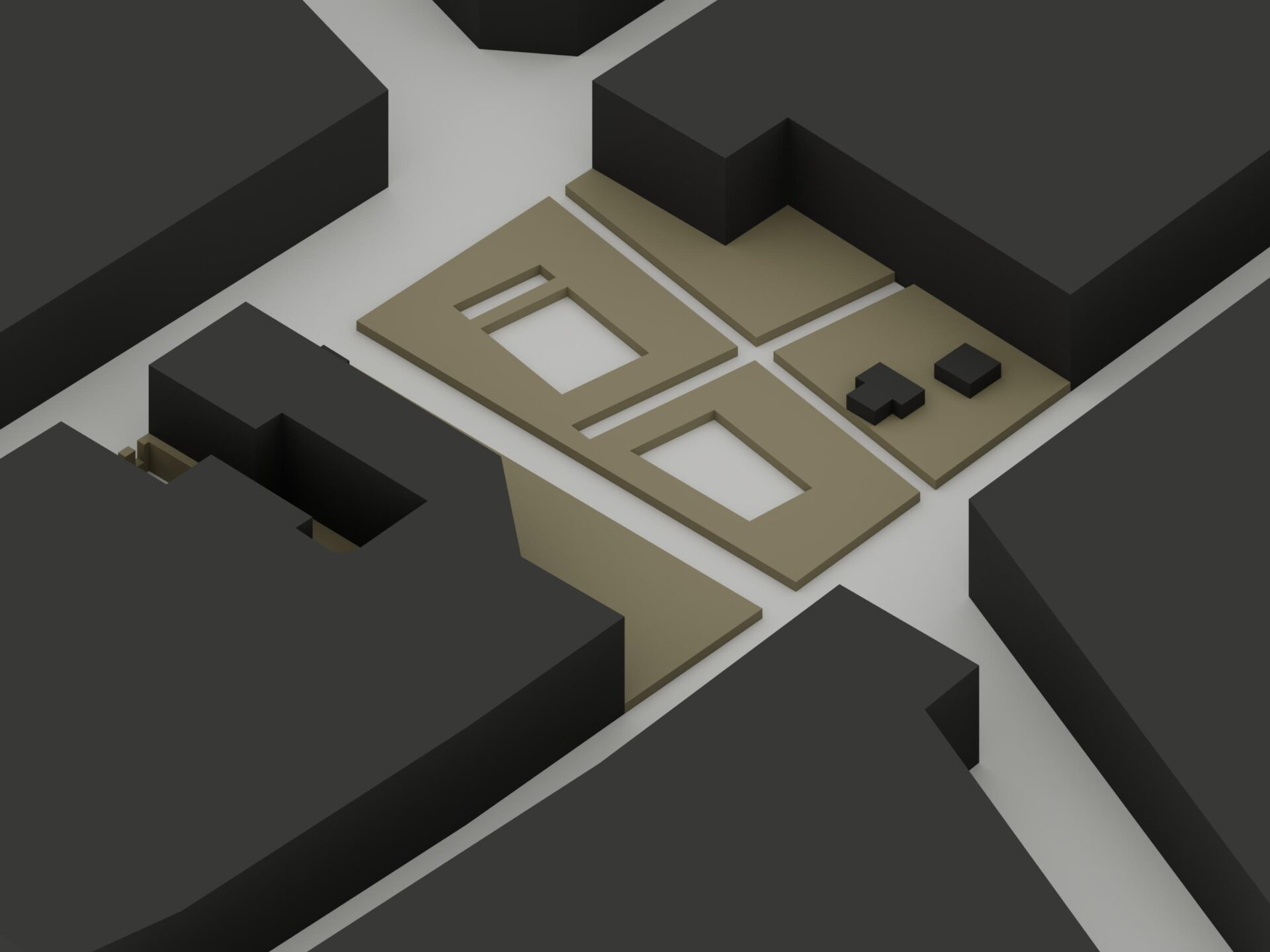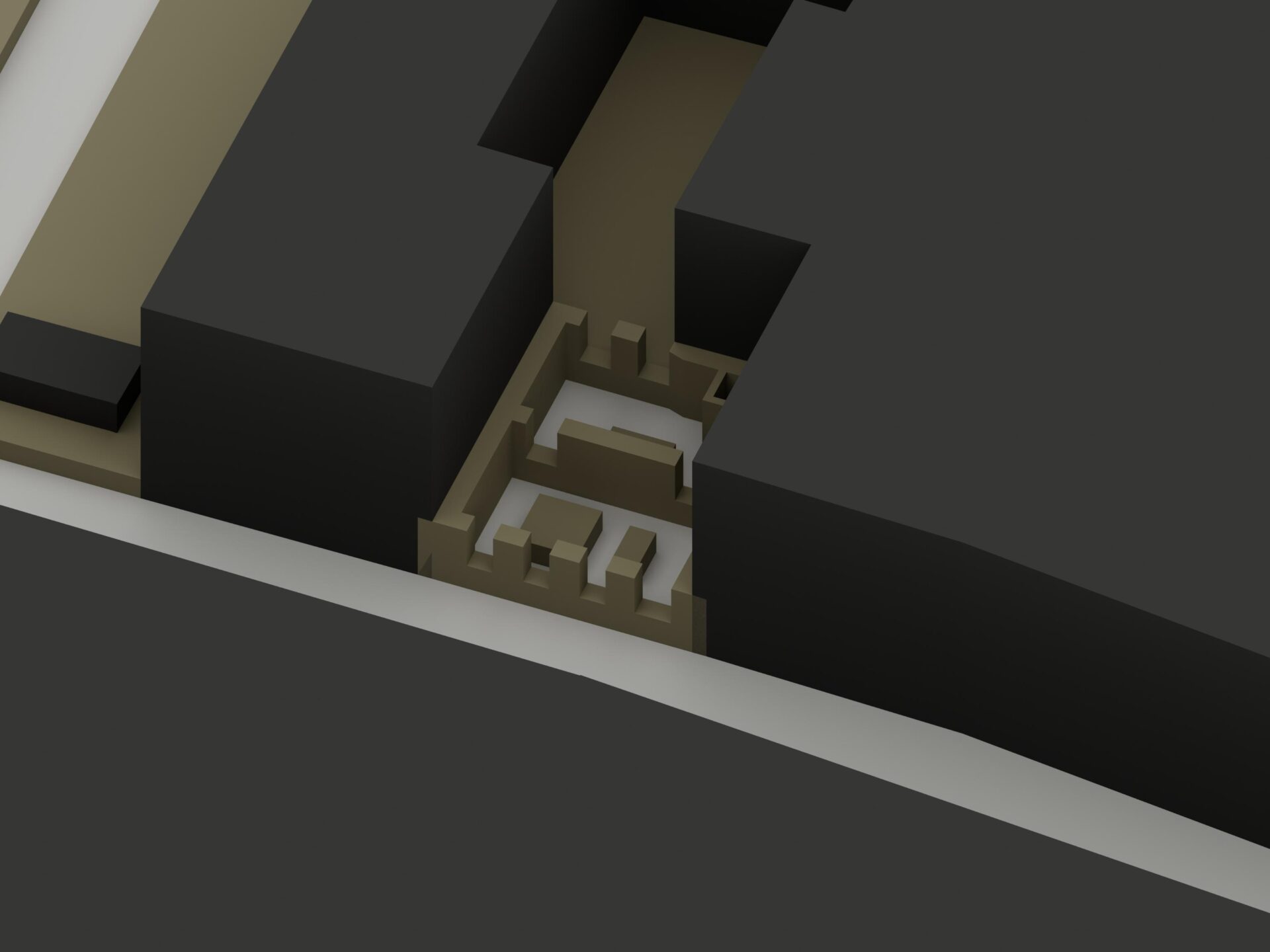
Action, Space and Geometry.
This performative project explores the intersection between urban and private space through a live painting action. Through an expanded painting performance and the use of multimedia tools, artist and audience share the same creative process, generating a reflection on mobility, perception, and the construction of sensory territories within an enclosed space.
The performance moves between gestural painting and the representation of urban spaces, investigating the relationship between body, line and space as a form of ephemeral cartography. Based on theoretical frameworks that engage with the concept of space and its mobility, the work proposes an analogy between Vienna’s 8th district — as a site of transit, memory and lived experience — and the interior spaces of Atelier Tigergasse, which are transformed into an experimental performative field.
Aesthetic References and Artistic Approach:
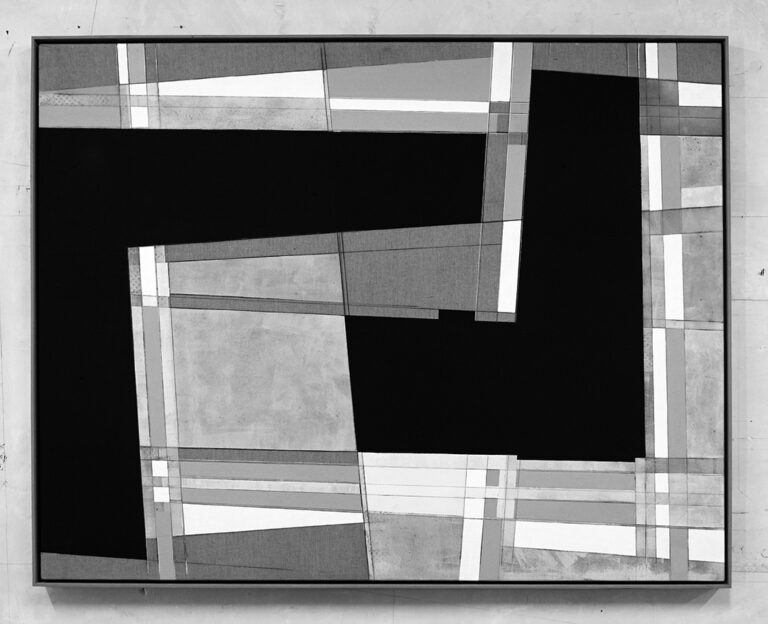
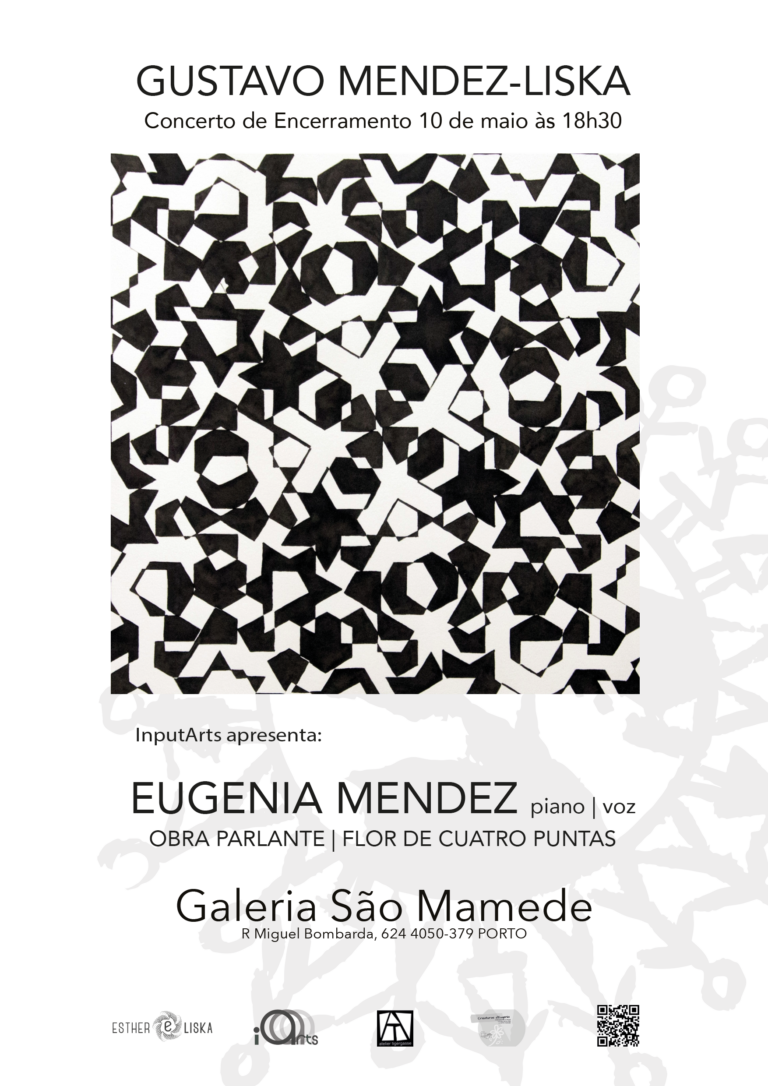
The project draws on the exploration of geometry and spatial aesthetics in the work of the artist Gustavo Mendez-Liska, whose practice emerges from the tension between formal structures and spontaneous gesture. Here, geometry functions not merely as a visual reference, but as a means of activating the spectator’s experience within both the represented and the lived space.
Methodology and Development:
- Cartographic exploration of the 8th district as a visual and conceptual field of research.
- Transposition and reconfiguration of spatial elements within the interior spaces of Atelier Tigergasse, generating a dialogue between exterior and interior space.
- A live performance in which the painterly action expands the boundaries between art, architecture and audience participation.
- Spatial activation through audience interaction, in which spectators themselves become agents within the staged spatial construction.
The result is an immersive experience that dissolves the boundaries between artwork and context, opening a sensitive reading of space in relation to fluidity, memory and belonging.
First thoughts..
Manifesto: Performative Cartographies
We reclaim the body as an instrument of perception.
Space is not a backdrop: it is living matter, a field of action, a sensitive terrain.
Every movement is a script. Every gesture, a potential map.
We reject space fixed in dead geometries.
We prefer unstable edges, traces, echoes.
Painting does not represent — it remembers.
It is a vestige of embodied dwelling, an abstraction of emotional passage.
We do not make maps to find our way, but to get lost.
To let the body think, to turn architecture into dialogue,
to let the private and the public meet on the canvas surface.
© Gustavo Mendez-Liska 2025
Performative Cartographies is a transdisciplinary exploration between visual art, architecture, and performance. The work begins with an essential question: how does spatial perception transform into visual language?
This project investigates the relationship between body, space, and representation through a practice that interweaves physical movement, sensory experience, and pictorial abstraction. It draws upon theories such as Henri Lefebvre’s production of space, Gaston Bachelard’s poetics of dwelling, and the affective cartographies of Massumi and Deleuze & Guattari, aiming to construct non-normative maps of lived space.
In dialogue with the works of Francis Alÿs, Mona Hatoum, and the performative architecture of Tschumi or Arakawa & Gins, Performative Cartographies proposes painting as the sediment of a perceptual and embodied journey — revealing the poetic dimension of inhabiting.
This project was created in collaboration with InputArts under the curatorship of Juan Muñoz, Gustavo Mendez-Liska and Alex Grimm.